
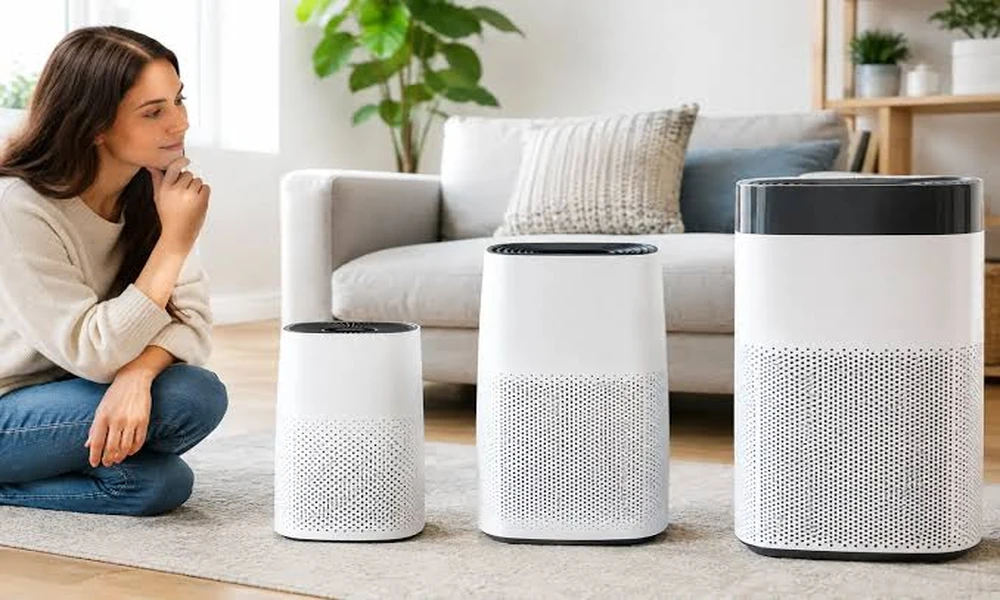
A clean indoor setting begins with understanding the quality of air circulating throughout a home. Dust and unwanted particles can affect everyday surroundings. Selecting suitable air purifiers requires attention to room dimensions and airflow capacity. A small bedroom needs different equipment compared with a spacious living area. Buyers should examine product specifications before making a purchase. Understanding these basic factors helps households select suitable equipment that supports better indoor conditions without unnecessary spending.
Matching Equipment with Room Areas
Every indoor space has different requirements. Smaller areas generally need lower capacity compared with larger shared spaces.
Checking Clean Air Delivery Rates
Clean Air Delivery Rate indicates how quickly equipment filters airborne particles. Higher ratings generally support larger indoor areas.
Considering Ceiling Height Differences
Ceiling height influences the total air volume inside a room. Taller spaces may require stronger airflow capacity for effective circulation.
Identifying Common Indoor Pollutants
Dust and pet hair can affect indoor air quality. Understanding common particles helps buyers select suitable filtration systems.
Evaluating Daily Operating Requirements
Regular operation requires attention to electricity consumption and filter replacement costs. Efficient models can help manage ongoing household expenses.
Comparing Available Filtration Systems
Different filtration technologies target different airborne particles. Buyers should understand their capabilities before selecting suitable equipment for household requirements.
Selecting Models for Small Bedrooms
Compact equipment can support smaller sleeping areas without occupying excessive floor space. Consider these useful features:
– Choose models with suitable capacity for the measured bedroom area.
– Check operating noise levels before purchasing equipment for sleeping spaces.
– Select compact designs that fit available floor space.
– Examine filter replacement costs to understand ongoing expenses.
– Look for simple controls that make daily operation easier.
Finding Suitable Options for Living Areas
Shared indoor spaces often require greater airflow capacity because several people use them throughout the day. Consider these factors:
– Measure the entire area before comparing product specifications.
– Select suitable airflow ratings for larger shared rooms.
– Check whether adjustable fan speeds are available.
– Examine noise levels during different operating settings.
– Consider models with easy maintenance access.
Planning Equipment for Open Spaces
Open layouts allow air to move between connected areas. Larger capacity may be necessary when several spaces share ventilation.
Reviewing Filter Replacement Requirements
Filter condition directly influences cleaning performance. Some air purifiers include replacement indicators that help households identify when maintenance becomes necessary.
– Follow manufacturer instructions for replacing filters.
– Check replacement availability before purchasing equipment.
– Avoid delaying scheduled maintenance activities.
– Clean reusable components according to product guidelines.
– Inspect equipment regularly for visible dust buildup.
Checking Noise and Energy Consumption
Noise levels matter in bedrooms and shared spaces. Energy ratings also help buyers understand electricity requirements during extended operation.
Understanding Smart Operating Features
Modern models may include automatic settings and air quality sensors. These features adjust operation according to detected indoor conditions.
Choosing suitable equipment involves balancing room measurements with airflow ratings and maintenance needs. Compare specifications before purchasing. A properly selected model can support consistent indoor air circulation while helping households manage operating costs. Regular filter care also maintains dependable performance. Consider the intended placement and everyday usage before making a decision. These practical steps help buyers avoid unsuitable purchases and select equipment that meets their household requirements.
FAQs
How Do I Calculate the Required Capacity?
Measure the room’s length and width. Multiply both measurements to calculate floor area before checking manufacturer recommendations.
Can One Unit Serve Multiple Rooms?
One unit may circulate air between connected spaces. However, separate equipment often provides better coverage for closed rooms.
How Often Should Filters Be Replaced?
Replacement frequency depends on filter type and usage. Follow manufacturer recommendations and check indicators regularly for maintenance guidance.