A water heater is one of the hardest-working appliances in a home, and one of the easiest to ignore until it fails. In Florida, where warm incoming water, hard water in some areas and humid air all affect how these units perform, the right choice and basic upkeep can save hundreds of dollars over the life of the appliance. The licensed team at NATIONAL PLUMBING – The People’s Plumber, Inc. installs and services water heaters, and this guide explains the main types, how to size one, what to expect from maintenance and how to tell when it is time to replace yours.
The Main Types of Water Heaters
Conventional storage tank. The most common type, with an insulated tank that keeps water hot, fueled by electricity or natural gas. Hot water is available immediately until the tank runs out, after which you wait for it to reheat. Standby heat loss, meaning the energy used to keep stored water hot, is a built-in cost.
Tankless (on-demand). These units heat water only when a fixture is opened, with no storage tank. They deliver continuous hot water, take up less space and avoid standby losses. They generally cost more to buy and install, and they require adequate gas supply or electrical capacity, plus venting for gas models. Hard water scale can affect their heat exchangers, so maintenance matters.
Heat pump (hybrid). These electric units move heat from the surrounding air into the water instead of generating heat directly, which makes them substantially more efficient than standard electric resistance heaters. They work especially well in warm climates like Florida’s, and they also cool and dehumidify the space around them. They need adequate surrounding air space, produce a modest amount of noise and cost more than conventional tanks, though incentives are sometimes available.
Solar water heating. Florida’s abundant sunshine makes solar a viable option, though the upfront cost is higher and a backup heater is typically needed. Systems should be installed by qualified professionals.
Which One Fits Your Home
| Type | Upfront cost | Operating cost | Space | Best for |
|---|---|---|---|---|
| Standard tank | Lowest | Higher | Moderate | Budget-focused replacements |
| Tankless | Higher | Lower for many households | Compact | Homes wanting continuous hot water and savings on space |
| Heat pump | Higher | Lowest for electric homes | Needs open air space | Warm climates and efficiency-minded households |
| Solar with backup | Highest | Very low | Roof or yard space | Long-term savings and sunny sites |
Operating cost depends on local electricity and gas prices, household size and usage habits, so a plumber can help estimate your payback period.
Sizing Matters
An undersized heater runs out of hot water, and an oversized one wastes energy and money.
- Tank models are sized by capacity in gallons and by first-hour rating, which describes how much hot water the unit can deliver in an hour starting with a full tank. A household with several bathrooms and heavy morning demand needs a higher rating than a couple living in a small home.
- Tankless models are sized by flow rate, in gallons per minute, and by temperature rise, the difference between incoming water temperature and the desired output. Florida’s warm incoming water means a smaller temperature rise than in colder states, which helps tankless units perform well here.
Consider how many people live in the home, how many fixtures may run at the same time and whether you have large soaking tubs or multiple showerheads.
Safe and Efficient Temperature Settings
The U.S. Department of Energy provides practical guidance on water heating, including efficiency tips and information on different system types. A commonly recommended thermostat setting is around 120 degrees Fahrenheit, which reduces scalding risk and lowers energy use. Households with young children, older adults or anyone vulnerable to burns should consider keeping the setting at or below that level. Some people raise the temperature to guard against bacterial growth in the tank. If you have a particular health concern, ask a plumber or health professional about the best balance.
Routine Maintenance That Extends Life
Most failures can be delayed with simple upkeep:
- Flush the tank. Sediment settles at the bottom of a storage tank, especially in areas with hard water, reducing efficiency and causing noise. Draining a portion of the tank once a year helps.
- Check the anode rod. This sacrificial metal rod inside the tank corrodes in place of the tank walls. Inspecting it every few years and replacing it when worn can add years to the tank’s life.
- Test the temperature and pressure relief valve. This safety device prevents dangerous pressure buildup. It should be tested periodically by someone who knows how, and any valve that leaks, sticks or does not operate properly must be replaced.
- Inspect for leaks and corrosion. Look at fittings, connections and the base of the tank.
- Insulate pipes and, if advised, the tank. This reduces heat loss, particularly on older units. Follow the manufacturer’s guidance, especially for gas models.
- Service tankless units. Descaling the heat exchanger and cleaning inlet filters keeps flow and efficiency up, particularly in areas with hard water.
- Keep the area clear. Do not store items against the heater, and keep combustible materials away from gas units.
Warning Signs Your Water Heater Is Failing
- Age. Tank heaters commonly last around 8 to 12 years, though results vary with water quality and maintenance. Tankless models often last longer.
- Rusty or discolored hot water. This can indicate corrosion inside the tank.
- Rumbling, popping or banging noises. These often come from sediment buildup.
- Not enough hot water, or water that is not hot enough. Possible causes include failing elements, a faulty thermostat or sediment.
- Water around the base of the tank. A leak from the tank body usually means replacement is needed.
- Rising energy bills. Declining efficiency can show up in your bill.
- Frequent repairs. If you are paying for repeated fixes on an older unit, replacement may cost less over time.
A leaking tank can cause significant water damage, so shut off the water supply and power or gas to the unit and call a plumber if you see water pooling.
Repair or Replace
Repair makes sense when the unit is relatively young and the problem is isolated, such as a failed heating element, a worn thermostat or a faulty valve. Replacement is usually the better move when the tank itself is leaking, when the unit is near the end of its expected life, when repair costs approach a large share of a new unit’s price or when efficiency has dropped enough to affect your bills. Ask your plumber for a written comparison of repair and replacement costs.
What to Expect From Installation
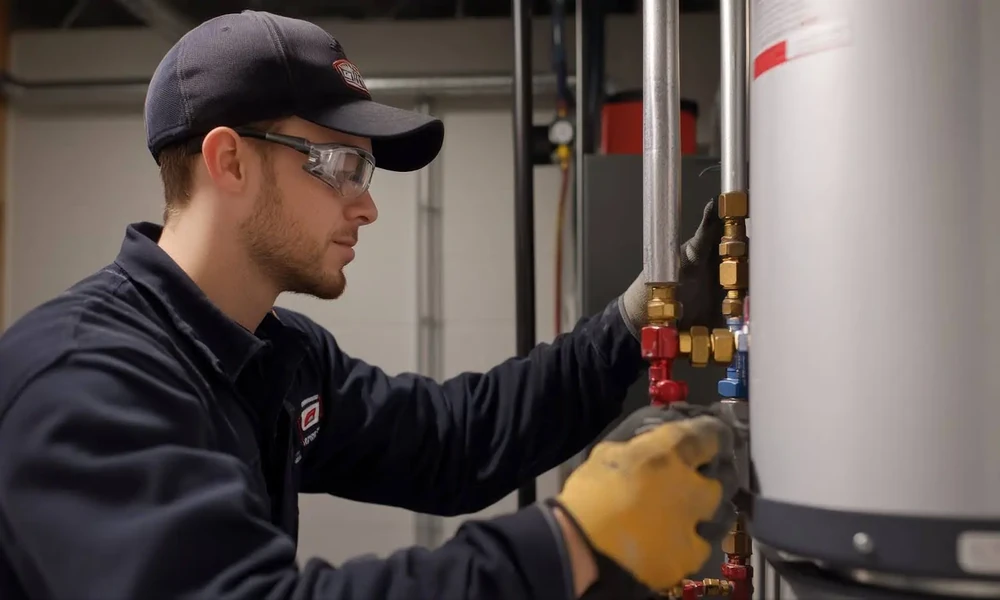
Installing a water heater involves more than swapping equipment. A qualified plumber will:
- Confirm the correct size, fuel type and venting or electrical requirements
- Pull permits where required, since many jurisdictions require them for water heater installation
- Install proper shutoff valves, a temperature and pressure relief valve and a discharge line
- Add an expansion tank if required by the system
- Install a drain pan and drain line where leaks could damage the surroundings
- Check combustion and venting on gas models, and test for carbon monoxide
- Remove and dispose of the old unit properly
Ask about warranty coverage on both the equipment and the labor, and register the warranty with the manufacturer.
The Takeaway
The best water heater is the one matched to your household’s demand, your utility prices and your home’s layout. In Florida, heat pump and tankless models are worth serious consideration, while a standard tank remains a sound budget option. Whichever you choose, regular maintenance, safe temperature settings and a licensed installer will protect your investment and keep the hot water coming.