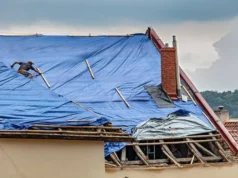
A windstorm passes through. The next morning a stranger knocks and says the roof is finished. He has photos of lifted shingles and a price on his tablet, and he wants a signature today. Down the street, a neighbor’s insurance adjuster calls almost the same kind of damage “normal wear.” Both homeowners end up looking up at their roofs without knowing whom to believe. Most people never climb a ladder, so they have to trust somebody else’s word about what’s up there.
That gap is why more homeowners now ask for a second look before they agree to major work. Some contractors, such as McKinley Restoration Group, a roofing and exterior company in Blacklick, offer second opinions on roof, siding and gutter work along with their repair and replacement services. A second opinion lets you check a diagnosis before any money changes hands.
Asking for one doesn’t mean you think the first inspector is dishonest. A roof replacement is one of the biggest exterior costs a household faces. Spending a few days to confirm the problem is cheap compared with paying for a roof that still had years left, or patching one that should have been replaced.
Why Two Inspectors Can Reach Different Verdicts
Roof damage is often a matter of judgment. A missing tab is easy to spot. A bruised shingle, a slightly lifted seal strip or granule loss near a valley is harder to read. One person sees storm damage. Another sees ten years of normal aging.
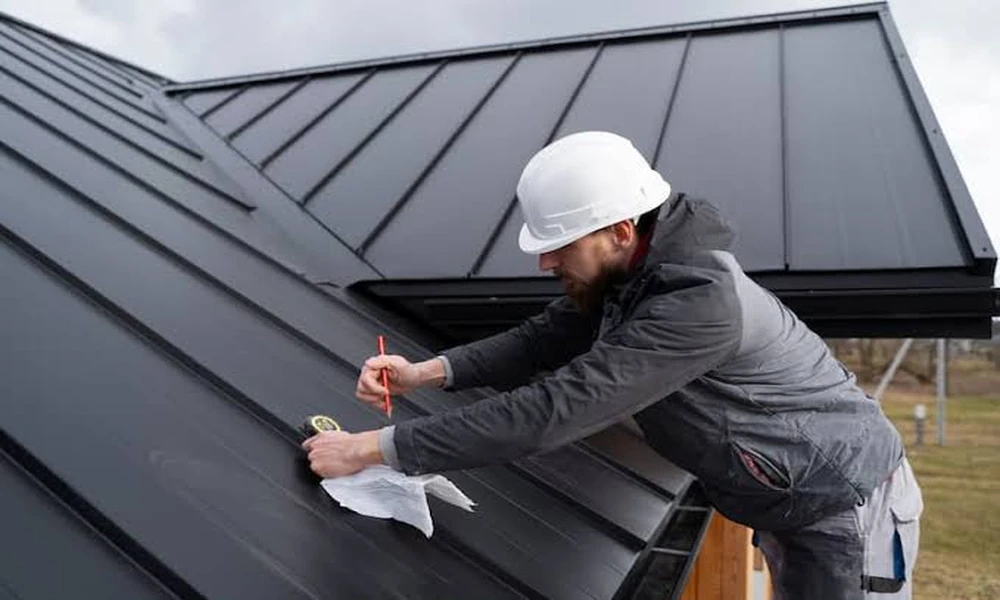
How much time the inspector spends matters as well. A quick look from a ladder at the gutter line misses things you only find by walking every slope. Some inspectors never go into the attic, which is often where the most honest evidence is.
Then there’s motivation. A crew paid by the job has a reason to lean toward replacement. An adjuster working for an insurer may lean the other way. Neither is necessarily wrong, but each sees the roof from a different position. A second inspector with nothing riding on the first report can balance that out.
Moments When a Second Look Pays Off
After an Unexpected Door Knock
Storm chasers follow hail and wind reports from town to town. Their prices can look appealing, but they may be gone by the time a leak shows up next spring. If the first diagnosis came from someone who showed up uninvited, getting it checked independently is simply good sense.
When Insurance Says No (or Says Yes Too Fast)
A denied claim isn’t always the final word. A thorough second inspection with dated photos and measurements gives you something concrete to bring back to the adjuster. And if a claim was approved for a full roof when only one slope looked affected, it helps to understand why before you commit.
When a Repair Quote Turns Into a Replacement
You called about a small drip near the chimney. The estimate came back for a whole new roof. That jump may be justified. Soft decking or failed underlayment can turn a small repair into a big project. But you should see the evidence for yourself, not just hear it.
Before Buying an Older Home
General home inspectors often look at the roof from the ground or through a drone camera. A dedicated roof inspection before closing can change how you negotiate, or at least help you plan your budget for the first few years.
What a Careful Second Inspection Covers
A useful second opinion goes deeper than the first one, not just over the same ground again. Expect a good inspector to look at:
- The attic, for daylight through the boards, water stains on rafters, damp insulation and frost on nail tips in cold weather
- The decking, by walking the slopes and feeling for soft or spongy areas
- Flashing around chimneys, skylights, vent pipes and wall intersections, where many leaks actually start
- Ventilation balance between intake vents at the soffits and exhaust vents at the ridge
- Gutters, fascia and nearby siding, since water damage often shows up there before it reaches a ceiling
Ask for photos marked with locations, not just a written summary. A report that says “hail damage present” means much less than one that shows circled hits on the north slope next to a coin for scale.
Reading Two Reports Side by Side
Once you have both reports, compare their reasoning instead of their prices. Do both inspectors point to the same problem areas? If one says replace and the other says repair, does the repair recommendation deal with the cause or just the symptom? A new pipe boot won’t help if the real problem is poor attic ventilation cooking the shingles from underneath.
Watch the language, too. Words like “probably” and “might” are honest when the evidence really is unclear. But a report built entirely on maybes isn’t strong enough to justify a five-figure decision. Ask each inspector what would change their mind. A good one will give you a straight answer.
In freeze-and-thaw climates, timing matters. A small opening left alone through one winter can let water in, freeze, expand and pry apart flashing and sealant. If the two opinions disagree but both find a minor problem, a modest repair now can buy you time to decide on the larger question.
Protecting Yourself Before You Sign
Whatever the inspections show, the contract is what protects you. The consumer guide to home improvement contracts from the National Association of State Contractors Licensing Agencies recommends getting every job in writing. The contract should list the company’s full name, address, phone number and license number. It should also describe the work, materials, timeline and cleanup. Many cities require contractor licensing even when the state doesn’t, so check with your local building office as well.
If you signed something at your kitchen table under pressure, you may still have a way out. The federal Cooling-Off Rule generally gives buyers three business days to cancel many sales made at home. Sellers also have to explain that right in writing and provide a cancellation form. That window is exactly the time a second inspection needs.
Letting Evidence Lead the Decision
A roof doesn’t give you much warning, and the people who inspect it don’t always agree. A second opinion turns a stressful guess into a decision you can back up with photos, measurements and clear reasoning. Sometimes it confirms the first verdict and you go ahead with confidence. Sometimes it saves you the cost of an entire roof. Either way, you’ll know what’s over your head before you pay to change it.