Drainage is one of the most overlooked yet critical components of landscape planning. Without proper drainage systems, even the most beautifully designed landscapes can suffer from waterlogging, soil erosion, and plant damage. Homeowners investing in landscaping design in Cumming must prioritize effective water management as a foundational part of their outdoor projects.
Beyond aesthetics, good drainage protects your property, supports healthy vegetation, and prevents structural issues over time. Let’s explore why drainage should never be an afterthought in professional landscape design.
How Drainage Impacts Landscape Health
Improper water flow can lead to numerous problems in landscaped environments. Standing water suffocates plant roots, fosters pest breeding, and creates unsightly puddles. Over time, excess moisture can also weaken foundations, crack hardscaping, and displace soil layers.
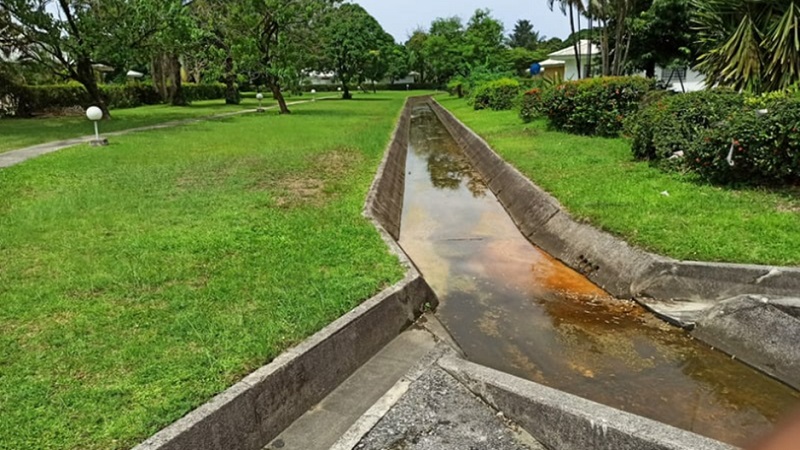
A comprehensive drainage plan accounts for surface runoff, rainfall intensity, and soil type. Techniques such as French drains, grading, and dry creek beds help redirect water flow away from vulnerable areas. These systems ensure the landscape remains stable and functional year-round.
Blending Drainage into Aesthetic Designs
Effective landscape design doesn’t sacrifice style for utility; it seamlessly blends the two. Drainage features can be both discreet and attractive when integrated into the overall layout. Gravel beds, decorative stone channels, or subtle grading are often used to guide water flow without disrupting the visual appeal of a yard.
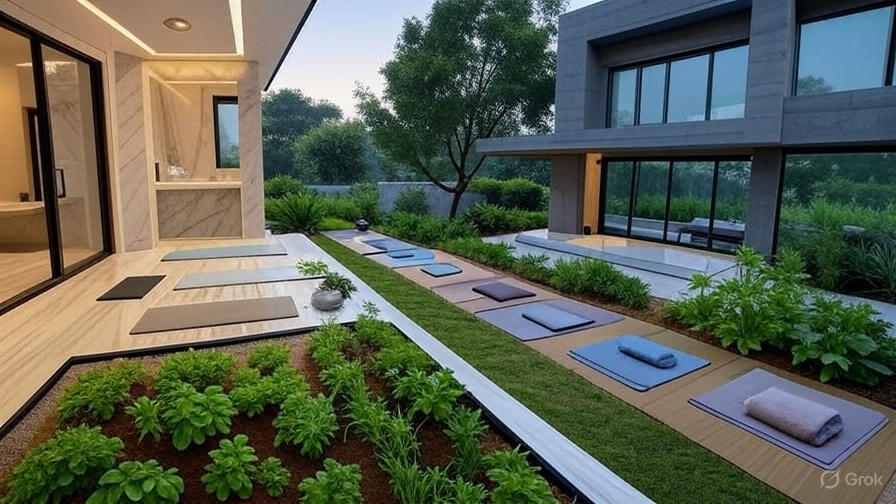
In many modern projects, homeowners are turning toward minimalist landscaping designs for a clean and contemporary look. These designs often include structured plant beds, simple hardscapes, and uncluttered visuals. Minimalist styles naturally lend themselves to subtle drainage solutions like below-surface systems or integrated slope design, ensuring functionality without visual distraction.
Professional Planning Is Essential
While it may be tempting to focus only on surface-level design elements, proper drainage requires an understanding of topography, hydrology, and long-term landscape performance. Professionals specializing in landscaping design assess elevation, soil absorption rates, and nearby structures before finalizing a drainage plan.
They also select plants suited for moisture control, use materials that enhance water flow, and implement solutions that reduce maintenance needs. This proactive approach prevents common issues like erosion or foundation cracks and ensures that outdoor spaces remain attractive and stable for years to come.
Benefits That Go Beyond Water Control
Investing in proper drainage provides benefits that extend beyond water redirection. It promotes healthier soil, encourages deeper plant roots, and keeps lawns lush. Well-drained landscapes are less susceptible to weed overgrowth and fungal diseases, which makes maintenance more manageable and cost-effective in the long term.
Additionally, integrating drainage with aesthetic features elevates the property’s value and supports sustainable landscape practices. From sloped lawns to structured retaining walls, drainage solutions enhance durability without compromising design.
Conclusion
In landscape design, beauty and practicality must go hand in hand, and drainage is a perfect example of this balance. Incorporating well-thought-out drainage strategies into your project ensures longevity, protects your investment, and maintains the visual charm of your outdoor space. Whether working with contemporary layouts or classic garden styles, drainage should be a central part of every design conversation. For homeowners seeking lasting results from their landscaping design, drainage is not just important; it’s essential.