Every sink, shower, toilet, and washing machine in your home shares one hidden exit: the main sewer line. It runs underground, out of sight and out of mind, until the day water starts rising in the tub. Understanding the journey your wastewater takes makes it much easier to see why main line cleanings in Hanford and other communities are such an important part of home maintenance. Let’s follow a single flush from your bathroom to the street, and see what can go wrong along the way.
Stop One: The Drain in Your Home
Wastewater starts in small branch pipes that lead from each fixture. These lines are narrow and are fed by gravity, so they depend on a steady downward slope. A slow sink or a gurgling shower often looks like a local problem, but when several fixtures are slow at once, the trouble is usually farther down the line.
Stop Two: The Junction
Branch lines meet at a larger pipe that gathers everything from the house. This is where the flow combines, so a partial blockage here shows up everywhere at once. Typical symptoms include:
- Several drains slowing down at the same time
- Water backing up into the lowest drain in the house, such as a basement floor drain or tub
- Toilets that bubble when you run the washer
- Foul sewer odors indoors or near the yard cleanout
Stop Three: The Underground Run
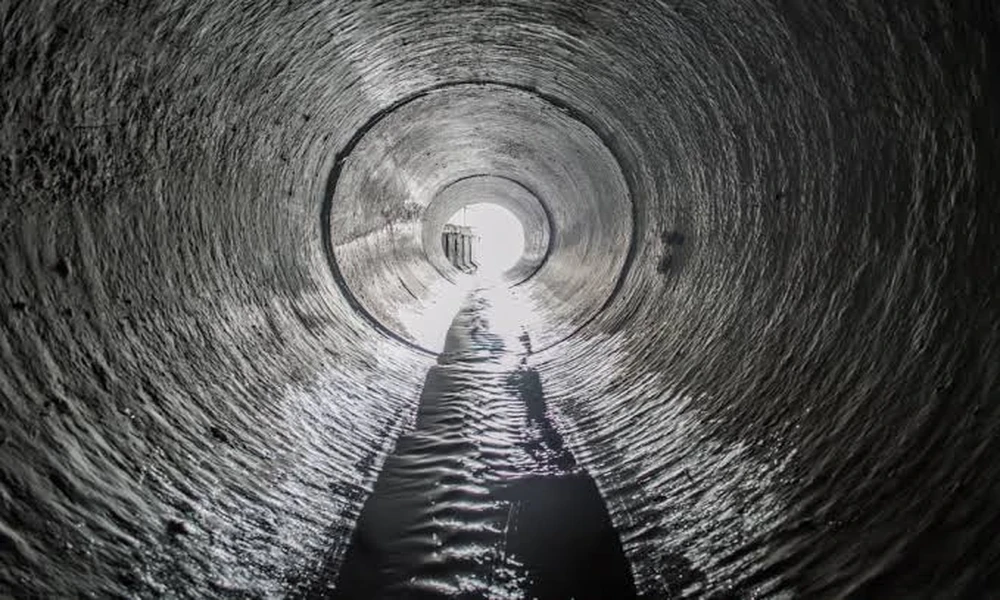
From the house, the main line travels through your yard toward the city sewer connection. This is the longest and most vulnerable stretch. Over time, several things build up or break down in this section:
- Grease and soap residue cling to the walls and slowly narrow the pipe.
- Wipes and paper products that do not break down catch on rough spots and form clumps.
- Tree roots search for moisture and slip into tiny cracks or loose joints, then grow into thick webs.
- Shifting soil, age, and corrosion can cause sags, cracks, or offset joints where debris collects.
You cannot see any of this from the surface, which is why a problem can grow for months before it announces itself.
Stop Four: The Connection to the Public Sewer
Finally, your line meets the municipal system. Whether a blockage is on your property or in the public main is something a professional can help determine. Blockages and defects in sewer systems matter at a larger scale too. According to the EPA’s sanitary sewer overflow page, possible causes of sanitary sewer overflows include blockages, line breaks, sewer defects that let stormwater and groundwater overload the system, power failures, improper sewer design, and vandalism. The EPA also explains that these overflows can back up into homes, causing property damage and threatening public health. That is a good reminder that a clear main line protects your household and the wider system.
What a Professional Main Line Cleaning Involves
Clearing a main line is more than poking a cable down the drain. A thorough visit usually includes these steps:
- Locating access. The technician finds a cleanout, which is a capped opening that lets tools reach the main line directly.
- Assessing the symptoms. Questions about which drains are slow, when it started, and any past problems help narrow down the cause.
- Clearing the blockage. Depending on what is found, tools may include a motorized drain cable, which breaks through clogs and cuts roots, or high-pressure water jetting, which scours grease and debris from the pipe walls.
- Inspecting with a camera. A small waterproof camera shows the real condition of the pipe, including cracks, sags, and root intrusion.
- Testing the flow. Running water confirms the line is draining freely before the job is complete.
- Explaining the findings. You should come away with a clear picture of what was removed and whether repairs or follow-up cleanings are advisable.
Warning Signs You Should Not Ignore
Call a plumber promptly if you notice:
- Water or sewage coming up from floor drains
- Multiple slow drains that do not improve with plunging
- Frequent clogs in different parts of the house
- Persistent sewage smells inside or in the yard
- Unusually lush or soggy patches of lawn over the sewer path
If sewage has already backed up into your home, avoid contact with it and keep children and pets away. The material can carry harmful germs, so professional cleanup is the safest route.
Habits That Keep the Journey Smooth
A few simple routines reduce how often the line needs attention:
- Scrape grease into a container and throw it in the trash instead of pouring it down the drain.
- Flush only toilet paper. Wipes labeled flushable still tend to clump in pipes.
- Use drain strainers in showers and kitchen sinks to catch hair and food scraps.
- Be careful when planting trees and large shrubs near the sewer path.
- Schedule periodic cleanings or camera inspections if your home is older or has a history of backups.
How Often Should the Line Be Cleaned?
There is no single schedule that fits every home. A newer house with plastic pipe and few trees might go years without trouble. An older house with clay or cast iron pipe and mature trees nearby may benefit from regular preventive cleaning. A professional inspection can set a sensible interval based on what the camera actually shows.
Final Thoughts
Your main sewer line works quietly every day, and it deserves attention before it demands it. Know the warning signs, build a few smart habits, and schedule cleanings when your home calls for them. A little planning today can save you from a messy and expensive surprise later.