The cleanup crew packed up three weeks ago. New drywall is painted, the carpet is back down, and the kitchen finally smells like dinner again. Then the first cool morning of fall arrives, someone switches the thermostat over to heat, and a stale, sour odor drifts out of every register in the house. The ductwork lived through the flood, the fire or the storm right along with everything else, and in many homes nobody ever opened it up.
Across the Oklahoma City metro, where a single spring can deliver hail, straight line winds and flash flooding inside the same week, this follow up problem shows up often. Next Level Restoration answers calls around the clock from its base in the city and folds air duct cleaning into the same job as water extraction, mold remediation and fire or storm repair, working with insurance companies through the claim instead of leaving the ducts as an errand for some later date.
One Set of Lungs for the Whole House
A forced air system is a loop. Air is pulled in through the return grilles, passes through a filter, gets pushed across the blower and the cooling coil, then travels out through a trunk line and smaller branches to the supply registers in each room. So whatever lands inside the loop, whether it is silt, soot or mold spores, gets a free ride into bedrooms that were never touched by the original damage.
Where the ducts sit matters a great deal. Most homes around the metro are built on slabs, which pushes the ductwork up into the attic, right under the roof deck that takes the beating during a hailstorm or tornado. A number of older ranch houses in the area go the other way, with perimeter ducts cast into the slab itself. Those channels sit at the lowest point of the house, so when water gets inside, they hold it like a gutter with no downspout.
Floodwater and the Material Question
Whether a flooded duct can be saved depends first on what kind of water reached it. Clean water from a burst supply line is a different problem from overland flooding, which can carry sewage, fuel and lawn chemicals. Once the water type is known, the duct material decides most of the rest.
- Sheet metal ducts are the most forgiving. Rigid galvanized runs can usually be cleaned, disinfected and dried, as long as the joints and any internal liner are checked too.
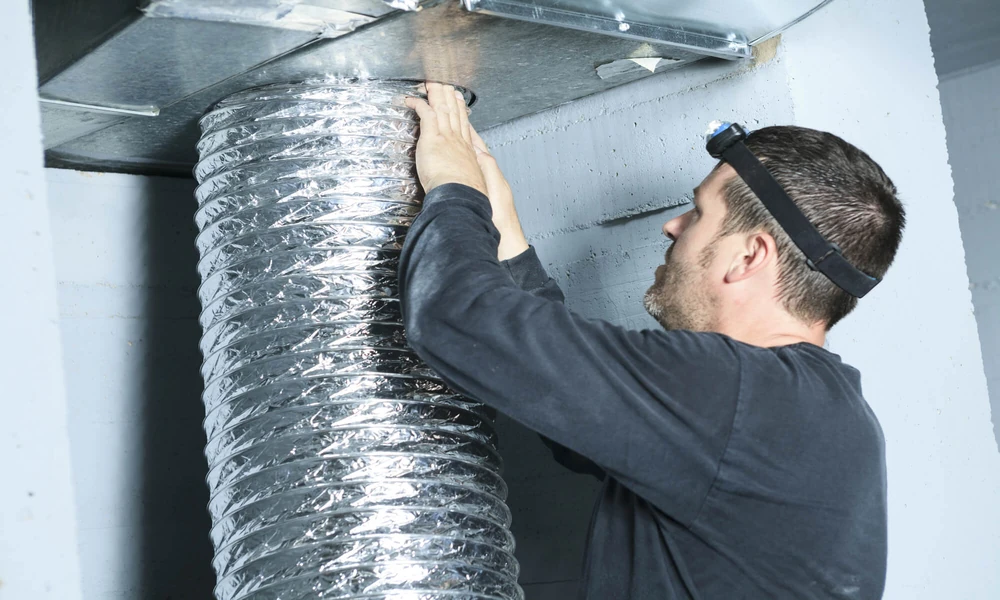
- Flexible ducts have a plastic inner core wrapped in fiberglass insulation and an outer jacket. Insulation that has soaked up dirty water rarely dries clean, and these runs are normally replaced.
- Fiberglass duct board behaves like a sponge, holding moisture in its fibers where cleaning tools cannot reach.
- Ducts cast in the slab may be concrete, metal or fiber pipe. They need to be pumped out, inspected with a camera and dried thoroughly before anyone can judge whether lining or abandoning them makes more sense.
Timing adds pressure. Extension specialists at North Dakota State have pointed out that ducts deserve cleaning even when they were never underwater, because summer humidity trapped in wall cavities and duct runs lets mold take hold quickly. Guidance from NC State Extension goes further, stating that flooded ductwork has to be thoroughly cleaned or replaced before the furnace is started again.
Smoke Always Finds the Return Grille
Fire damage spreads through ducts in a different way. If the system was running when the fire started, or switched back on before cleanup began, the return side acted like a vacuum cleaner for smoke. Fine soot settles on the blower wheel, coats the coil and clings to the inside walls of the trunk line. A grease fire leaves a thin film with a stubborn smell, while burning plastics leave a heavier, oily residue.
Odor control inside the house only lasts if the ducts get the same attention. Restoration crews generally clean the ducts mechanically under negative air pressure, swap filters several times during the job and seal or deodorize only after the residue is physically gone. Spraying fragrance into a dirty duct simply masks the problem until heating season brings it back. Around the edges of the metro, where grass fires race across open land on dry, windy days, even homes that never caught fire can pull smoke indoors through outdoor air intakes and leaky attic ducts.
When the Roof Opens Over the Ductwork
Storms reach the ducts from above. Hail fractures shingles, wind lifts decking, and a falling limb during an ice storm can punch straight through into the attic. Once that happens, rain soaks the insulation surrounding the ducts and often the flexible runs themselves. Flex duct is easy to crush or tear when roofers, adjusters and tree crews walk the attic during repairs, and a single kinked run can starve a bedroom of airflow for years before anyone notices.
Tornadoes add another layer. Fine dust, glass fragments and pulverized drywall get sucked into returns as pressure swings through the house, so a home that looks structurally sound after a near miss can still have contaminated ductwork. This is where structural assessment and duct inspection overlap, since a damaged roof framing member and a crushed duct run tend to sit within arm’s reach of each other.
Spores That Ride the Airflow
Mold remediation that skips the HVAC system is only half finished. During a proper remediation, workers seal supply and return openings in the work area with plastic sheeting so spores disturbed during removal cannot be pulled into the system and spread to clean rooms. Afterward, the air handler deserves close scrutiny. The cooling coil and its drain pan stay damp for much of the Oklahoma summer, and a clogged condensate line can quietly feed growth for months.
Chemical treatments deserve caution as well. Not every disinfectant is labeled for use inside ductwork, and some can damage duct liners or leave residue that gets blown through living spaces. Physical removal followed by thorough drying remains the backbone of the job, with any product applied strictly according to its label.
Before Anyone Touches the Thermostat
The single most useful habit after water, fire or storm damage is patience with the HVAC system. Running it early can spread contamination into rooms the original event never reached and can turn a simple duct cleaning into a full replacement. Have the system inspected first, and ask for photos of the inside of the trunk line, the blower and the coil so the condition is documented for the insurance claim.
It also helps to ask during the original estimate whether the ducts are part of the scope. Some restoration plans stop at the drywall and flooring, leaving the hidden system for the homeowner to discover on that first chilly morning. When the ducts get cleaned, dried or replaced at the same time as the rest of the house, the repair actually ends when the crew leaves, and the next time the furnace kicks on, the only thing coming out of the registers is warm air.