A comfortable home depends on a heating and cooling system that works reliably throughout the year. Most homeowners expect occasional maintenance, but some HVAC issues appear without warning and can quickly leave a house feeling too hot, too cold, or even unsafe. Knowing what can go wrong helps you recognize early warning signs before a small problem becomes a costly repair.
Whether you’re dealing with weak airflow, strange noises, or a system that suddenly stops working, understanding these unexpected issues can save time, money, and frustration. If you need professional HVAC repair East Helena, MT, recognizing the symptoms early can help you seek assistance before the damage becomes more severe.
Hidden Electrical Problems Can Shut Everything Down
Many HVAC failures begin with electrical components that most homeowners never see. Faulty wiring, worn capacitors, damaged relays, or failing contactors can interrupt power to your system without much warning.
You might notice your system turning on and off repeatedly, refusing to start, or tripping the circuit breaker. These symptoms often point to electrical issues that require professional diagnosis.
Because electrical components directly affect safety, it’s important not to ignore unusual behavior. Prompt repairs help prevent additional damage to expensive parts like compressors and blower motors.
Dirty Air Filters Cause More Than Poor Airflow
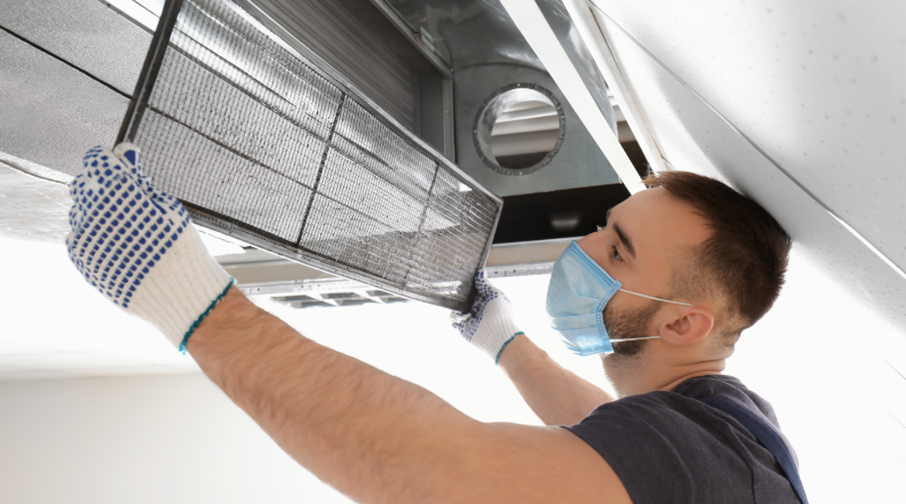
A clogged air filter may seem like a minor inconvenience, but it can create several unexpected problems throughout your HVAC system.
Restricted airflow forces the equipment to work harder than necessary. Over time, this extra strain may lead to overheating, frozen evaporator coils, higher energy bills, and unnecessary wear on internal components.
Replacing your air filter regularly is one of the simplest maintenance tasks you can perform. Depending on your home’s conditions, filters typically need replacement every one to three months.
Frozen Evaporator Coils Can Stop Cooling Completely
Many people associate frozen coils with winter weather, but they commonly occur during summer cooling season.
Frozen evaporator coils usually result from poor airflow, dirty filters, blocked vents, or low refrigerant levels. When ice forms on the coil, the system can no longer absorb heat effectively, causing warm air to blow from the vents instead of cool air.
Common signs include:
- Weak airflow from supply vents
- Ice visible on refrigerant lines or indoor components
- Warm air despite the air conditioner running
- Water pooling around the indoor unit after the ice melts
Turning the system off may allow the ice to melt temporarily, but identifying the underlying cause is essential to prevent the problem from returning.
Thermostat Issues Often Mimic Major HVAC Failures
Before assuming your furnace or air conditioner has failed, it’s worth checking the thermostat.
An incorrectly programmed thermostat, depleted batteries, poor sensor placement, or internal malfunctions can all cause inconsistent temperatures or prevent the HVAC system from operating properly.
Sometimes the solution is as simple as replacing batteries or correcting the settings. In other cases, recalibration or thermostat replacement may be necessary.
Modern programmable and smart thermostats can also improve efficiency by maintaining more consistent indoor temperatures when properly configured.
Blocked Condensate Drains Can Trigger System Shutdowns
Air conditioners naturally remove moisture from indoor air. That water drains through a condensate line, which can become clogged with dirt, algae, or debris over time.
Many newer HVAC systems include safety switches that automatically shut the unit down if water backs up, preventing water damage inside the home.
Signs of a blocked drain include water around the indoor unit, increased indoor humidity, or an air conditioner that suddenly stops operating.
Routine maintenance usually includes inspecting and cleaning the condensate drain before problems develop.
Ductwork Problems Reduce Comfort Throughout the House
Your HVAC equipment may be working properly while damaged ductwork prevents conditioned air from reaching every room.
Leaks, disconnected ducts, crushed sections, or poor insulation can significantly reduce system efficiency and create uneven temperatures.
You may notice:
- Some rooms stay much warmer or cooler than others.
- Airflow seems weak despite the system running.
- Energy bills increase unexpectedly.
- Dust accumulates more quickly throughout the home.
Professional duct inspections can identify hidden issues that often go unnoticed for years.
Refrigerant Leaks Affect Performance and Efficiency
Air conditioners rely on the correct refrigerant charge to transfer heat effectively. A leak doesn’t simply reduce cooling-it can place additional strain on the compressor, one of the most expensive HVAC components to replace.
Possible warning signs include:
- Longer cooling cycles
- Reduced cooling performance
- Ice forming on refrigerant lines
- Hissing or bubbling sounds near the system
Because refrigerant handling requires specialized equipment and training, leaks should always be addressed by qualified HVAC technicians.
Preventive Maintenance Helps Avoid Unexpected Breakdowns
While no HVAC system lasts forever, regular maintenance dramatically reduces the likelihood of sudden failures.
Professional inspections allow technicians to identify worn components before they fail completely. Maintenance appointments typically include cleaning, lubrication, electrical testing, airflow evaluation, and safety checks.
Homeowners can also help extend system life by:
- Replacing air filters regularly
- Keeping outdoor units free of leaves and debris
- Ensuring supply and return vents remain unobstructed
- Scheduling annual heating and cooling inspections
- Paying attention to unusual sounds or odors
Addressing small concerns early often prevents more expensive repairs later.
When It’s Time to Call a Professional
Some HVAC problems have simple explanations, but others involve electrical systems, refrigerant, or mechanical components that require expert diagnosis.
If your system repeatedly trips breakers, stops cooling or heating effectively, produces unusual noises, leaks water, or cycles constantly, professional service is the safest course of action. Delaying repairs can allow minor issues to develop into major equipment failures that are significantly more expensive to fix.
Conclusion
Unexpected HVAC problems rarely happen without warning. Strange noises, inconsistent temperatures, weak airflow, frozen coils, and electrical issues often begin as small concerns before growing into larger repairs. Recognizing these early warning signs gives homeowners the opportunity to act before comfort is lost and repair costs increase.
Regular maintenance, routine filter changes, and prompt attention to unusual system behaviour remain the best ways to keep your heating and cooling equipment operating efficiently. By staying proactive and addressing problems early, you can reduce the risk of unexpected breakdowns and enjoy reliable indoor comfort throughout every season.