
A well-designed cleaning scope is the foundation of every successful commercial cleaning contract. It clearly defines what tasks will be performed, how often they will be completed, and the level of quality expected. Without a structured scope, misunderstandings, inconsistent service, and disputes are far more likely.
Why Cleaning Scope Design Matters
The cleaning scope acts as the blueprint for service delivery. It ensures both the client and provider have the same expectations from the start. When tasks are clearly defined, performance becomes measurable, and accountability is easier to maintain.
A vague scope often leads to missed tasks, overlapping responsibilities, or inconsistent results across different areas of a facility.
Core Areas Included in a Cleaning Scope
Most commercial cleaning scopes are divided into key zones based on usage and hygiene needs. These typically include offices, restrooms, common areas, break rooms, and entryways.
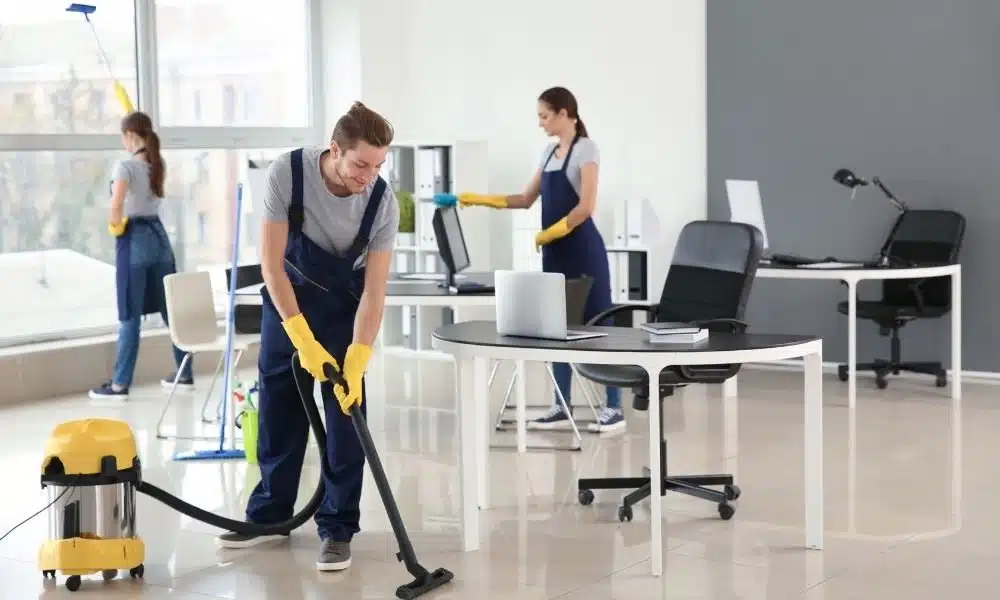
Each area has specific requirements. For example, restrooms require disinfection and restocking supplies, while office spaces focus more on dusting, vacuuming, and trash removal.
Task Frequency and Scheduling
Defining how often each task is performed is just as important as listing the tasks themselves. Some duties must be completed daily, such as emptying trash bins and sanitizing high-touch surfaces. Others, like carpet shampooing or window cleaning, may be scheduled weekly, monthly, or quarterly.
Clear scheduling prevents gaps in service and helps maintain consistent cleanliness standards.
Level of Detail in Task Descriptions
A strong cleaning scope avoids vague instructions like “clean office area.” Instead, it breaks down responsibilities into specific actions such as “wipe desks, sanitize keyboards, vacuum floors, and dust surfaces.”
This level of detail ensures cleaning teams know exactly what is expected and reduces the risk of incomplete work.
Customization Based on Facility Type
Different facilities require different cleaning priorities. A medical office will require stricter sanitation protocols than a standard office building. Industrial sites may require specialized cleaning procedures due to safety hazards or heavy equipment.
Customizing the scope ensures that cleaning efforts align with the building’s actual risks and usage patterns.
Quality Control and Inspection Standards
A cleaning scope should also include quality expectations and inspection procedures. This may involve checklists, supervisor walkthroughs, or digital reporting systems.
Quality control ensures that tasks are not only completed but completed to the required standard.
Final Thoughts
Cleaning scope design is essential for creating clear, efficient, and reliable commercial cleaning contracts. By defining tasks, frequencies, and standards in detail, both clients and service providers can work with greater consistency and fewer misunderstandings. A strong scope ultimately leads to better performance, higher satisfaction, and long-term service stability.
This post was written by a professional at Elite Service Solutions. Elite Service Solutions is your partner in commercial Janitorial cleaning near you. We offer a wide range of services, including Janitorial Services in Gulfport, business deep cleaning near you, post-construction cleanup, VCT stripping and waxing, tile and grout cleaning, carpet cleaning, and more! Our expertise and commitment to quality ensure your space is not only clean but truly transformative. We customize cleaning plans to meet your specific needs and budget, using eco-friendly products and advanced technology. Our team is dedicated to excellence, aiming to exceed your expectations with every job. Choose Elite Service Solutions for a pristine, healthy, and welcoming environment. Contact us to elevate your experience with business cleaning near you!