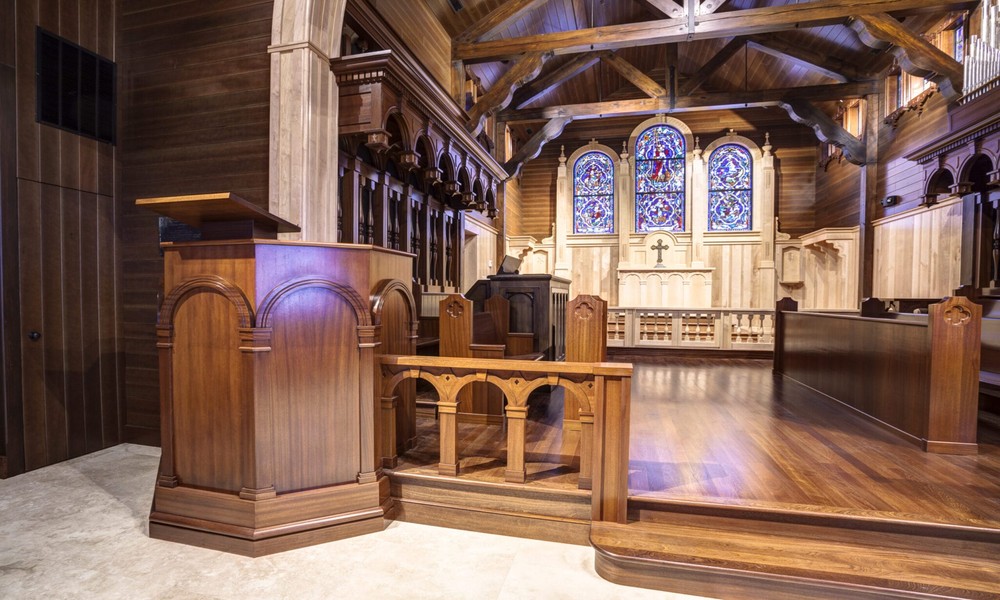
Your congregation chose every piece with care. The pews, the chancel furniture, the communion table – each one reflects the heart of your worship space and the generosity of the people who helped fund it. Now the question is how to keep it looking and functioning beautifully for the next generation.
Proper care of church furniture is not complicated, but it does require consistency. A little attention each season can add decades to the life of your seating, chancel pieces, and sanctuary furnishings. This guide walks you through practical steps for maintaining wood finishes, upholstery, hardware, and the overall structure of your worship space investments.
Why Maintenance Matters More Than Most Committees Realize
Church furniture takes a kind of punishment that residential or commercial furniture rarely faces. Pews are occupied by hundreds of people each week. Children fidget. Hymnals and Bibles are dropped. Fingers trace the same carved details year after year. In synagogues, benches and bimah furniture endure weekly Shabbat services, holiday gatherings, and lifecycle events that fill every seat.
Over time, even the best-crafted pieces will show wear if they are not cared for properly. Finishes dull, wood dries out, upholstery fabrics begin to fray at seams, and structural joints loosen under the constant load of use. None of this is inevitable. Most of it is preventable.
The real cost of neglect is not just aesthetic. When a pew end panel cracks because the wood dried out, or when upholstery foam compresses unevenly because spills were never fully cleaned, repair costs can climb quickly. In many cases, early intervention costs a fraction of what full restoration or replacement would run.
Cleaning and Protecting Wood Finishes
Wood is the foundation of most sanctuary furniture, and the finish on that wood is your first line of defense. Whether your pews or chancel furniture feature a lacquer, polyurethane, conversion varnish, or hand-rubbed oil finish, the goal is the same: keep the surface clean, protected, and free from moisture damage.
Routine Cleaning
For regular cleaning, a soft, slightly damp cloth is usually all you need. Wipe down pew surfaces, armrests, and end panels after heavy-use weekends. For fingerprints and light grime, a mild soap-and-water solution works well. Always dry the surface immediately after cleaning. Standing moisture is one of the fastest ways to damage a wood finish.
Avoid abrasive scrubbers, bleach-based cleaners, or anything with ammonia. These strip finishes, dry out the wood, and accelerate aging. Many commercial multi-surface sprays fall into this category, so read labels carefully before using anything new on your furniture.
Polishing and Conditioning
Every six to twelve months, depending on the climate and use level in your building, apply a quality furniture polish or wood conditioner. Products that include carnauba wax or beeswax work well on most church pew finishes and provide a layer of surface protection between cleanings.
In climates with extreme temperature swings or low winter humidity, wood conditioning becomes even more important. Dry air pulls moisture out of wood, which leads to cracking and checking over time. Running a humidifier in your sanctuary during dry months is one of the simplest things you can do to extend the life of your furniture.
Touch-Up Finishes
Minor scratches are inevitable. Most surface scratches can be addressed with a furniture touch-up marker or scratch filler that matches your finish color. For deeper scratches or areas where the finish has worn through to the bare wood, it is worth contacting a church furniture professional for a proper spot-repair. Attempting to refinish a section without the right products and technique can create uneven sheen or color that draws the eye more than the original scratch did.
Caring for Upholstered Pews and Kneelers
Fabric care depends heavily on the material. Most quality church upholstery uses commercial-grade fabrics designed for high traffic, including polyolefin and other durable woven materials. These fabrics are generally stain-resistant, but they still need routine attention.
Vacuuming
A low-suction upholstery attachment used regularly is the most underrated maintenance tool in a facilities manager’s supply closet. Vacuuming removes dust, grit, and debris before it can work its way into fabric fibers and accelerate wear. For pews with kneelers, pay close attention to the fold points where debris collects.
Spot Cleaning
Spills happen during communion, coffee hour, or any of the dozens of events your building hosts. Blot spills immediately rather than rubbing them. Rubbing pushes liquid deeper into the fabric and foam. Use a clean, white cloth and work from the outside edge of the spill toward the center to prevent spreading.
For tougher stains, a mild upholstery cleaner designed for the specific fabric type is appropriate. Always test any product on a hidden area first. If you are unsure about the fabric content of your upholstery, reach out to the manufacturer or installer for guidance.
Foam Longevity
The density of the foam underneath your upholstery determines how long the cushioning holds up. High-density foam resists compression over time, but even the best foam eventually shows wear in the areas used most heavily. If you notice that certain sections of a pew feel noticeably softer or flatter than others, it may be time to evaluate reupholstery for those sections.
Kneelers deserve special attention here. The padding in kneelers is under direct weight-bearing pressure and tends to compress faster than seat padding. Regular checks for soft spots or sagging areas can help you address wear before it becomes a structural or comfort problem.
Hardware, Structural Joints, and Pew Supports
A pew or bench that wobbles is not just annoying. It is also a sign that structural connections are loosening, which can accelerate wear at the joint and eventually lead to more serious damage.
Checking and Tightening Hardware
At least once per year, walk through your worship space and physically check each pew for wobble or movement at the floor connection and at the end panel joints. If a pew rocks or shifts when pressed, the connection point needs attention. Most pew floor anchors can be re-secured without specialized tools, but if the issue is at a mortise-and-tenon joint inside the pew itself, a furniture repair professional is the right call.
Addressing Squeaks
Squeaking pews are a distraction during services and usually indicate that wood-on-wood contact points have dried out or that a joint has shifted slightly. A small amount of appropriate wood lubricant or wax applied to the contact area often resolves the problem. If the squeak persists, look for a loose joint that needs to be re-glued or tightened.
Floor Pads and Leveling
For sanctuaries with tile or wood floors, felt or rubber pads on pew feet protect both the floor and the pew base from friction damage. Check these pads periodically. They wear out and, once gone, allow direct contact between the pew foot and the floor, which can cause both surfaces to scratch.
Seasonal and Climate Considerations
Wood is a natural material that expands and contracts with changes in humidity and temperature. This is normal, but large swings can cause real problems over time.
In summer months, especially in areas with high humidity, wood absorbs moisture from the air and can swell slightly. In winter, heated buildings tend to have very low relative humidity, which dries wood out. The ideal relative humidity range for wood furniture is generally between 35 and 55 percent.
If your building has significant seasonal humidity swings, investing in a simple digital hygrometer for your sanctuary gives you real data to work with. Running humidifiers in dry months and ensuring good ventilation in humid ones will noticeably extend the life of your furnishings.
Creating a Maintenance Schedule Your Team Can Actually Follow
The biggest reason church furniture ages prematurely is not a lack of care products. It is a lack of a consistent schedule. Most facilities teams are stretched thin, and maintenance tasks fall through the cracks when they are not written down and assigned.
A simple annual maintenance calendar might look like this:
Monthly: Wipe down wood surfaces with a dry or lightly damp cloth. Vacuum upholstered pews, kneelers, and bench cushioning. Check for spills or stains that need spot treatment.
Quarterly: Apply furniture polish or wood conditioner to high-touch surfaces. Inspect all hardware and floor connections for looseness. Check upholstery seams for any early signs of wear.
Annually: Conduct a full walk-through evaluation of every piece in your worship space. Note scratches, finish wear, foam compression, and any structural concerns. Contact your furniture manufacturer or a church furniture specialist with any findings that need professional attention.
Every Few Years: Consider a professional evaluation of your entire seating inventory. A specialist can assess where refinishing, reupholstery, or structural repairs would extend the life of your furniture significantly and help you prioritize any budget allocation.
When Repair Makes More Sense Than Replacement
Many congregations face the same decision at some point: repair or replace? The answer depends on the age, condition, and quality of the original furniture.
Well-crafted pews and chancel furniture made with quality hardwoods and proper joinery can last well over a century with appropriate care and periodic restoration. If the bones of your furniture are sound, refinishing worn surfaces and replacing upholstery can bring pieces back to looking and functioning like new for far less than replacement.
The concept of creative reuse applies here in a meaningful way. Giving new life to existing furniture honors the original investment, preserves the character of your worship space, and often allows budget to be directed toward other ministry needs. Antique pews and synagogue benches with original hand-carved details are particularly worth restoring, as those details are difficult to replicate in modern production.
A Note on Synagogue Furniture Maintenance
Many of the same principles apply in synagogue settings, though the specific pieces require some additional consideration. Torah arks and Aron Kodesh cabinetry often feature ornate millwork, fabric panels, and interior lighting that require careful cleaning and inspection. Reading tables and bimah furniture surfaces benefit from the same wood care practices outlined above. Synagogue benches, particularly older ones with carved end details, deserve the same periodic inspection and conditioning as church pews.
For any piece that holds sacred objects or serves a liturgical function, it is worth consulting with a specialist who understands both the functional and spiritual significance of the furniture before attempting any repair.
Final Thoughts
Your worship space furnishings represent years of congregational giving and careful selection. They deserve to be maintained with the same intentionality that went into choosing them.
Consistent, simple care routines protect wood finishes, extend the life of upholstery, and keep structural connections sound. An annual professional evaluation fills in the gaps your team might miss. And when the time comes for restoration rather than routine care, working with a craftsman who understands church and synagogue furniture ensures the work is done with the craftsmanship your space deserves.
A little care today means the next generation of worshippers will be seated just as comfortably as yours.