
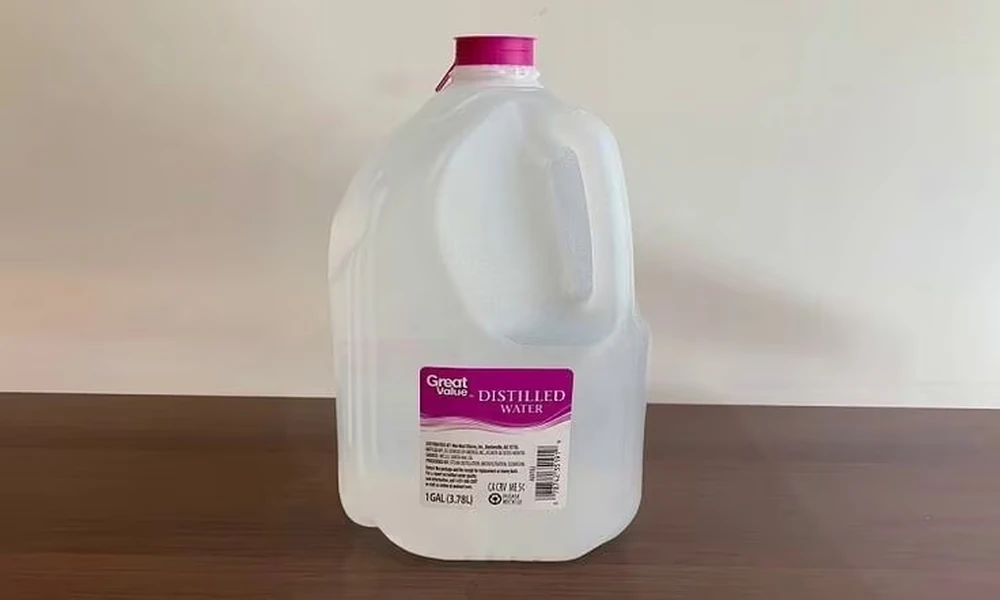
Many people know about simple distilled water. But modern science requires much more precision. Laboratories need different water purity levels today. Science depends heavily on these exact levels. Impurities can easily ruin a delicate experiment. Now, scientists categorize water into three main types. Each type serves a very specific purpose. Advanced laboratory water purification systems create these distinct grades. Understanding these differences is essential for accurate research.
Defining Type III Water for General Lab Utility
Type III water is the lowest laboratory grade. This grade is also called reverse osmosis water. The purification process removes most large contaminants. It clears out particulates and major organics. But some tiny impurities still remain behind. So, you cannot use it for critical analysis. It works best for non-critical laboratory tasks.
Practical Applications of Type III Grade Water
This water grade is perfect for rinsing glassware. It works well for filling heating baths too. Sometimes, media preparation uses this basic grade. It also feeds automated glassware washing machines. It serves as feed water for higher systems. This grade saves money on expensive filters. It handles the heavy lifting of basic cleaning.
Understanding Type II Water and Analytical Grade Quality
Type II water represents a higher purity level. This grade is known as analytical quality water. The system removes almost all remaining minerals. It prevents calcium buildup in sensitive instruments. Now, the water has very low electrical conductivity. It meets the standards for general chemical analysis. This grade requires a multi-stage purification process. It balances high purity with reasonable production costs.
Common Uses for Type II Laboratory Water
You use Type II water for microbiological media. It prepares buffers for daily chemical testing. Clinical analyzers require this specific water quality regularly. It prevents interference during standard sample reactions. This grade supports routine laboratory procedures perfectly. It provides reliable results for general diagnostic tests. It keeps everyday instruments running very smoothly.
The Ultimate Purity of Type I Ultrapure Water
Type I water is the highest grade possible. This liquid is known as ultrapure water. It contains virtually no analytical interference at all. The system eliminates ions and organic carbons completely. It removes bacteria and dangerous endotoxins too. This grade requires advanced ultraviolet treatment technologies. It also utilizes specialized ultrafiltration membrane processes. The water must be used immediately after production.
Critical Applications for Type I Ultrapure Water
This ultrapure liquid is vital for molecular biology. High-performance liquid chromatography requires this absolute purity. It is essential for gas chromatography procedures. Cell tissue culture demands this clean environment. The slightest contamination will change the test results. So, scientists trust only Type I water here. It ensures the highest accuracy for advanced research.
Conclusion
Water purity is not a simple concept. Different laboratory tasks demand different water grades. Choosing the right water ensures experimental success. It protects expensive machinery from unnecessary damage. Modern purification systems make this selection easy. Researchers can now focus fully on breakthroughs. Proper water choice remains the foundation of science.