Residents of Boise have to be cautious about choosing fencing materials owing to various factors. First, the semi-arid climate here means summers are hot while winters can be pretty cold with freeze-thaw cycles, and the impact of weather changes can be significant on fences. There is also the concern of strong seasonal winds across the Treasure Valley. Increasing residential density, especially in West Boise, North End, and Southeast Boise, is also a factor, particularly for those seeking privacy.
If you talk to the installers of petrifiedfenceboise.com, which is a renowned fence installer in Boise, they will recommend concrete as a standard choice. Petrified Fence is a locally trusted name with years of experience, and you can easily get an estimate. In this guide, we will discuss facts worth knowing about before considering concrete fencing.
Concrete Fencing Explained
This is a type of permanent fencing made using reinforced concrete. Concrete fences work as a perimeter for your property, and when compared to options like wood, vinyl, and metal, durability remains unmatched.
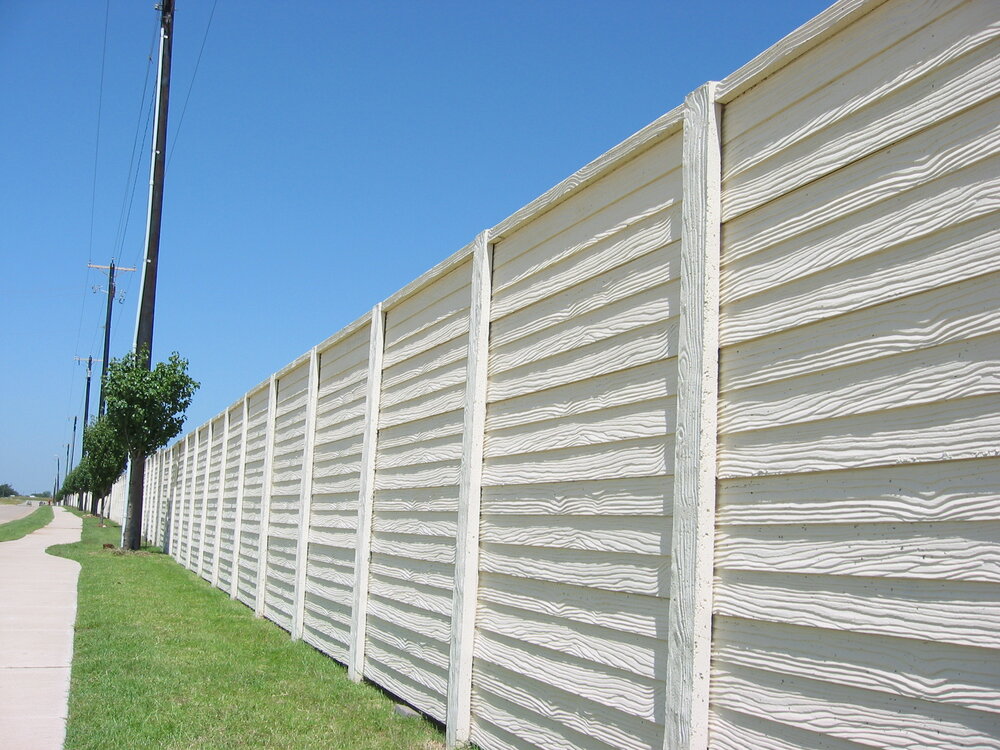
In general, you will find two types of residential concrete fencing systems. The first one is called precast concrete, where the panels are made in a factory, transported to the site, and installed between posts. The installation doesn’t take time, and the overall process is simpler. Poured concrete is the second option, where concrete is poured and cured right on the property. One can decide on aspects like design and finish, but installation can be time-consuming, especially with prep work.
Concrete Fencing for Residential Properties: Advantages
- First, concrete is designed to withstand weather and isn’t prone to damage. In Boise, where climate extremes eventually stress most fencing materials, this is a stable choice.
- Concrete fencing works perfectly as a boundary, so if your objective is to define property lines and avoid problems with neighbors, the investment is worth considering.
- Another great advantage of concrete fencing is the thickness of the material, which reduces noise transmission. If your home is close to busy streets or highway corridors, you can expect peace while spending time in the yard.
- Concrete also blocks winds in open areas of Boise, which not only protects the landscaping but also makes it easier to use patios and gardens.
- Durability in other ways is also worth considering. Concrete is resistant to snow and UV exposure, and there is little to no risk of expansion and contraction. Unlike wood, the material isn’t affected by pests, moisture, or rotting.
- Maintenance is also easy, as concrete doesn’t require staining or painting. Once every few weeks, you can use pressure water to clean your fences, and the only thing that needs attention is periodic inspections.
- Because concrete has an industrial look, people assume they have to compromise on aesthetics. However, installers now offer many colors, themes, and finishes, and no matter what type of home you have, you can find alternative options.
Installation Considerations for Boise Properties
Before you decide to go for concrete, start by discussing certain critical elements with your installer. Soil composition and grading are key factors, and depending on where the property is located in Boise, there may be additional site prep work. The cost of installation is also higher, but while your fence will cost more upfront, you can expect to save money in the future. Many prospective property owners prefer concrete fences when checking options because of both performance and durability.
One of the other aspects to evaluate is the choice of installer. You need a company that knows how to complete concrete fencing in Boise and has credible projects to its credit. If the installation is done right, you don’t have to worry about other things for at least three decades.