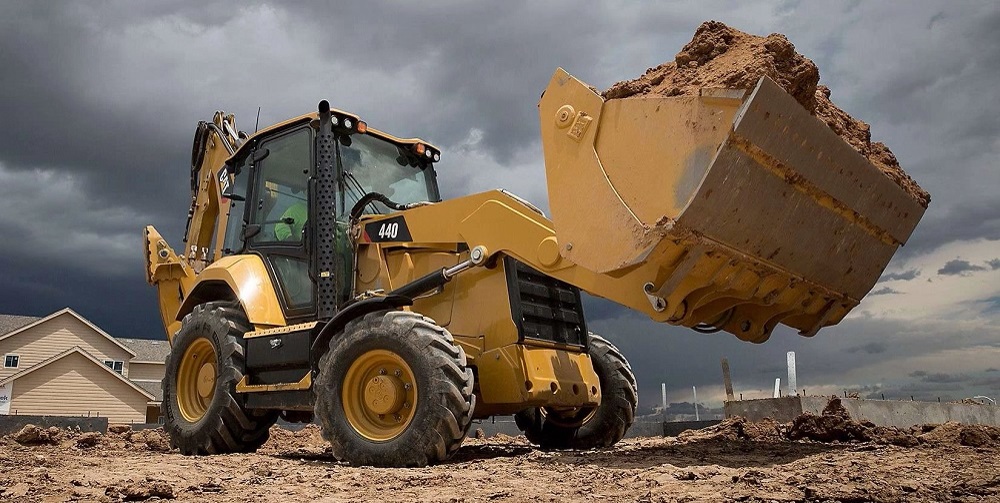
Construction projects depend heavily on machines such as excavators, compactors, loaders, and generators. Many of these machines use gasoline engines to perform daily tasks, and adopting successful business construction strategies often includes improving how efficiently this equipment operates. If these engines run efficiently, projects can move faster, cost less, and create less pollution. This article explains simple ways to improve gasoline engine efficiency in civil engineering work.
Worksite Challenges
Construction sites place heavy demands on machines. Engines must handle long working hours, changing loads, rough ground, and hot conditions. These tough environments make engines burn more fuel and wear out faster. When machines struggle, fuel costs rise and emissions increase. If the engine is not properly managed, small issues can turn into major breakdowns. This is why improving efficiency is so important for construction teams.
Better Engine Technology
Engine makers now use advanced designs to improve performance. Systems like direct fuel injection and turbocharging help engines burn fuel more cleanly and create more power with less waste. Electronic engine control systems also help manage air, fuel, and ignition timing. These systems adjust automatically based on load and speed. This keeps the engine running smoothly while using less fuel and producing fewer emissions.
Cleaner Fuel Options
Biofuels burn cleaner than regular gasoline and now used as an alternative fuel to lower pollution. Fuels such as ethanol and biodiesel reduce harmful gases and help protect the environment. Some machines also use hybrid systems that combine gasoline engines with electric motors.
Regular Maintenance
Good maintenance keeps engines running at their best. Clean air filters, fresh oil, and proper cooling systems help prevent overheating and damage. Regular servicing also helps detect small problems before they become costly repairs. A well-maintained engine uses less fuel and lasts longer.
Proper Tuning
Tuning an engine improves its performance. Adjusting spark timing and fuel flow helps the engine match the job it is doing. Proper tuning increases power, lowers fuel use, and reduces harmful emissions. When engines are tuned correctly, they respond better under heavy loads and rough conditions.
Operator Skills
Trained operators know how to reduce fuel waste. Simple actions such as turning off engines during long stops, using steady speeds, and avoiding harsh acceleration make a difference.
Using Smart Data
Telematics systems collect real-time data from machines, as they track fuel use, engine speed, temperature, and workload. This data helps managers schedule maintenance and spot problems early. With data reports, companies can adjust work habits and improve performance. Predictive maintenance also reduces breakdowns and downtime.
Environmental Standards
Construction equipment must comply with all the strict emission rules. Modern engines use exhaust systems that reduce harmful gases like nitrogen oxides and smoke particles. These systems help machines meet legal requirements and protect the environment. Cleaner engines support safer worksites and healthier communities.
Conclusion
Improving gasoline engine efficiency helps construction projects save money, reduce pollution, and work more smoothly. Through new technology, proper care, and smart data tools, engines can perform better and last longer. These steps support a cleaner and more sustainable future for civil engineering.