Purchasing a heating system involves several decisions that can influence comfort, convenience, and overall satisfaction. While heating capacity often receives the most attention, factors such as temperature consistency, operational flexibility, noise levels, and user experience can be equally important. A heater that performs well in one environment may deliver different results in another, making it essential to evaluate its practical capabilities before purchasing.
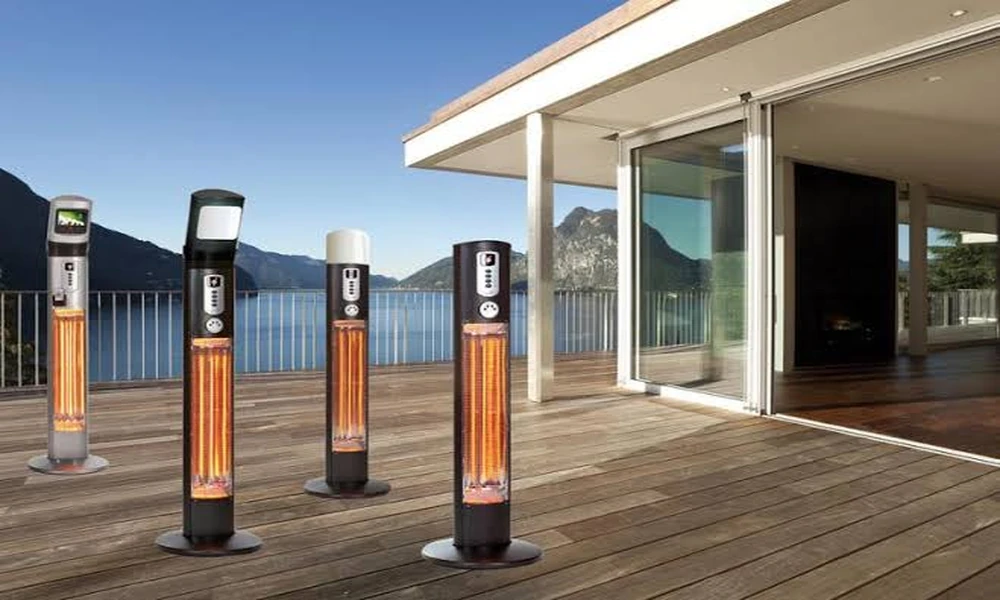
The Helios Heater is among the radiant heating options available to buyers seeking targeted warmth for residential, commercial, or industrial applications. Understanding the factors that influence everyday performance can help determine whether a particular model matches the intended environment.
Temperature Consistency During Extended Operation
A heating system should deliver reliable warmth throughout its operating period rather than producing noticeable fluctuations in comfort. Temperature consistency becomes particularly important in spaces where people remain seated or work for extended periods.
Buyers should investigate how effectively a heater maintains its intended output during continuous operation. Heating element characteristics, environmental conditions, and control settings can influence performance. Consistent radiant output can make occupied areas feel more comfortable without requiring frequent manual adjustments.
Heating Response Time and Immediate Comfort
Waiting for a heating system to reach a comfortable operating level can be inconvenient, particularly in spaces used intermittently. Restaurants, workshops, and outdoor entertainment areas may benefit from equipment that provides noticeable warmth shortly after activation.
Different radiant heating technologies have different response characteristics. Some produce perceptible heat relatively quickly, while others require additional time to reach their normal operating temperature.
Before purchasing, buyers should review the manufacturer’s stated warm-up characteristics and consider how frequently the heater will be switched on and off.
Compatibility With Smart Heating Controls
Modern heating equipment increasingly incorporates control features that improve convenience and allow users to adjust heating according to changing requirements.
Depending on the model, available features may include adjustable output levels, timers, remote operation, or compatibility with external control systems.
For commercial properties, centralized controls can simplify the management of multiple heating units. Homeowners may prefer straightforward controls that allow quick adjustments without complicated programming.
Buyers considering a Helios Heater should verify which features are included with the selected model and which require additional accessories.
Noise Levels and Environmental Comfort
Heating equipment should support a comfortable environment without introducing unnecessary distractions. This consideration is particularly relevant in restaurants, offices, hospitality venues, and quiet residential spaces.
Electric radiant heaters generally operate without the fans commonly found in forced-air heating systems. This can make them appealing where reduced mechanical noise is desirable.
However, actual operating characteristics depend on the product design and associated equipment. Buyers should examine product specifications and customer feedback to understand whether the system meets their expectations for quiet operation.
Flexibility for Different Seating and Working Arrangements
Heating requirements can change when furniture layouts, workstations, or occupancy patterns are modified. A system that performs effectively with one arrangement may become less suitable after the space is reorganized.
For example, a restaurant might expand its seating area, while a workshop could introduce new equipment that changes where employees spend their time.
Buyers should consider whether the proposed heater placement can accommodate future adjustments. Planning the heating layout carefully can reduce the need for expensive modifications later.
Manufacturer Support and Product Documentation
Technical support is an important consideration that buyers sometimes overlook. Even dependable heating equipment may require troubleshooting, replacement components, or professional guidance during its service life.
Clear installation manuals, accessible technical specifications, and responsive customer support can simplify ownership.
Before investing, buyers should examine warranty terms, available documentation, service arrangements, and the process for obtaining replacement components. These details can influence the overall experience as much as the heater’s initial performance.
Conclusion
Choosing a radiant heater requires looking beyond basic specifications and considering how the equipment will perform during everyday use. Temperature stability, response time, control options, quiet operation, flexibility, and manufacturer support all deserve attention.
By evaluating these practical factors, buyers can determine whether a particular heating solution meets their expectations and provides dependable comfort over time.