An aging air conditioner often shows its age through rising energy bills, uneven cooling, or more frequent repairs. When these signs appear, homeowners begin weighing the cost of continued fixes against the benefits of a new system. Making a careful decision at this stage helps avoid repeating the same problems a few years later.
Homeowners planning AC installation and replacement in Houston, TX, face several practical questions about system type, sizing, efficiency, and existing ductwork. Understanding these factors before purchasing equipment supports a better match between the new unit and the home’s actual cooling needs.
Recognizing When Replacement Is the Better Option
Air conditioning systems eventually reach a point where repairs become less practical. Frequent breakdowns, inconsistent temperatures from room to room, and steadily increasing energy use often signal that the unit is no longer operating efficiently. Systems that have been in service for many years also tend to use older technology that consumes more power for the same amount of cooling.
Waiting until a complete failure occurs can leave a household without cooling during peak heat. Evaluating performance trends over recent seasons gives a clearer picture of whether replacement makes more sense than another round of service. Noting how often the system runs, whether it struggles on the hottest days, and how much maintenance it has required provides useful information for the decision.
Matching System Type to the Home
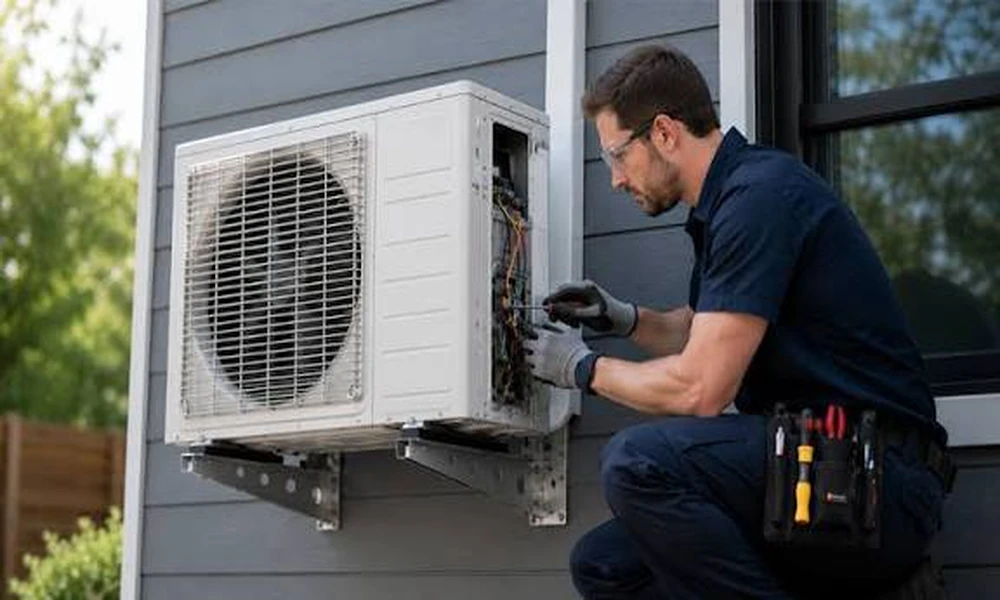
Several common system types serve residential needs. Central air conditioners work well in homes that already have ductwork and need whole-house cooling. Heat pumps provide both cooling and heating from a single outdoor unit, which can simplify equipment for milder seasons. Ductless mini-split systems offer targeted cooling for specific rooms or for homes without existing ducts.
Each option carries different installation requirements and operating characteristics. Central systems rely on the condition and layout of the ducts. Heat pumps need adequate outdoor space and proper electrical service. Mini-splits require careful placement of indoor units and refrigerant lines. Reviewing the home’s current setup and long-term comfort goals helps narrow the choices before any purchase.
The Importance of Correct Sizing
Proper sizing remains one of the most critical steps in any replacement project. An oversized unit cools the air too quickly and shuts off before removing enough humidity, leaving the home feeling clammy. An undersized unit runs almost continuously without reaching the desired temperature on the hottest days.
Accurate sizing depends on more than square footage. Insulation levels, window orientation, ceiling height, and local climate all influence the actual cooling load. A detailed calculation that accounts for these factors produces a more reliable capacity recommendation than simple rules of thumb. Investing time in this step reduces the chance of comfort problems after installation.
Efficiency Ratings and Long-Term Operating Costs
Modern air conditioners carry efficiency ratings that indicate how much cooling they deliver for each unit of energy consumed. Higher-rated systems generally cost more upfront but use less electricity over time. In regions with long cooling seasons, the difference in operating cost can become noticeable within a few years.
Comparing ratings among similar system types provides a useful baseline. It is also important to consider how the system will be used. Features such as variable-speed operation can improve humidity control and reduce energy use during milder weather. Balancing initial cost against expected energy savings helps set realistic expectations for the investment.
Evaluating Existing Ductwork and Electrical Service
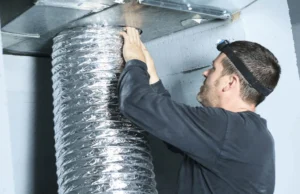
The condition of the home’s duct system affects how well a new central air conditioner will perform. Leaky, poorly insulated, or undersized ducts can waste cooled air and create pressure imbalances. Addressing these issues during replacement often improves overall results more than the equipment upgrade alone.
Electrical service must also support the new unit. Older homes sometimes need panel or wiring updates to handle the power requirements of modern equipment. Identifying these needs early prevents delays once the installation begins.
Practical Steps Before Purchasing
Homeowners can prepare for a smoother process by gathering key information ahead of time:
- Record the age, model, and capacity of the current system
- Note recent repair history and any recurring problems
- Observe temperature differences between rooms during peak heat
- Check available outdoor space and electrical capacity
- Review the condition and accessibility of existing ductwork
- Clarify household priorities such as quieter operation or better humidity control
Collecting these details supports clearer discussions with qualified professionals and reduces the likelihood of unexpected changes later.
When Professional Input Is Most Helpful
While homeowners can compare basic features and efficiency ratings, accurate load calculations, duct evaluation, and code-compliant installation require specialized knowledge. Complex situations-such as converting from one system type to another or integrating with existing heating equipment-benefit from trained assessment.
For projects involving AC installation and replacement in Houston, TX, local climate conditions place significant demand on cooling systems. Professional guidance helps ensure the new equipment is sized and installed to handle that demand reliably. Seeking input early in the process supports better equipment selection and fewer complications during installation.
Key Takeaways
Replacing an old air conditioner involves more than choosing a new unit off the shelf. Careful attention to system type, correct sizing, efficiency ratings, duct condition, and electrical readiness improves the chance of lasting comfort and reasonable operating costs.
Homeowners who gather basic information about their current system and home layout position themselves for more informed decisions. Consulting qualified professionals for AC installation and replacement in Houston, TX, remains a practical way to match the new equipment to the specific needs of the property.