
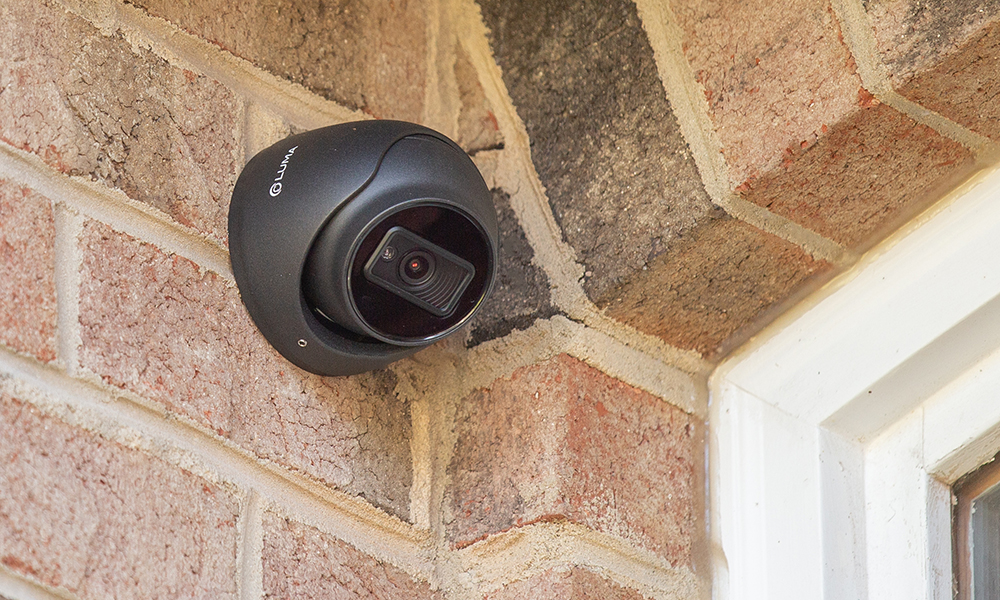
In the modern, rapidly moving digital and real world, security threats can take shape in a matter of seconds. It could be a home break-in, unauthorized access to corporate information, or suspicious activity in a business building, but the speed of the response usually determines the outcome. instant security notifications system features have thus turned into a key aspect of contemporary security systems, switching them from passive monitoring tools into active protective systems.
The conventional security systems were based on the use of alarms or the use of recorded footage. Although such methods did have their purpose, they tended to demand the physical presence of someone or reviewing footage once an incident had taken place. However, contemporary systems have an element of smart technologies and real-time connection, whereby the user is alerted upon occurrence, and this notification is sent easily through the smartphone, tablet, or computer. This immediate communication will allow making decisions faster and acting faster.
Instant notifications have one of the greatest strengths, and that is the ability to respond quickly. To illustrate, smart home systems like Ring Doorbell and Google Nest Cam not only provide notification in real-time when there is movement, but also in this way. Homeowners are able to see real-time video shots, talk in two-way or even call emergency units in case of necessity. Such urgency may avert theft, vandalism, or an increase in potentially dangerous situations.
In business and industry, instant notifications are even more important. Big businesses tend to be distributed in various places and it is impossible to monitor them physically. High-tech surveillance systems with AI analytics will help monitor unusual activity, unauthorised access, or environmental risks, including fire or gas leakage. Once these threats are detected, automatic alerts are dispatched to the security teams or facility managers so that they can act promptly before things get out of control. This minimises losses in terms of finances, preservation of assets, and safeguarding of employees.
Instant alerts are also critical to cybersecurity. As computer crimes are becoming more prevalent (phishing attacks, ransomware, data breaches), companies need to respond promptly to suspicious behaviour. The current cybersecurity systems provide real-time notices in case of abnormal log-ins, malware detection or network abnormalities. Early detection enables IT teams to isolate infected systems, block malicious activity and cause extensive damage.
The other essential issue is the empowerment of the users. Real-time notifications are transparent and controlled. The users can no longer rely on the third-party monitoring services only, but they get the information directly and are in a position to make wise decisions. Parents may watch over their homes even during their working periods, business owners may observe what is going on even from a distance and property managers may watch over the adherence to the safety standards all in real time.
In addition, real-time communications are a problem deterrent. The possibility of criminal acts reducing when potential intruders have a clue that the activities will be reported and monitored immediately. The physical aspects of being surrounded by the related gadgets and the consciousness of real time warning system put a psychological blockade against misbehaviour.
Finally, instant notifications are not only an added value to the contemporary security system, but a must-have. Real-time alerts can accomplish this by providing speed of reaction, enhancing situational awareness, reinforcing cybersecurity, and enabling users, which enables real-time alerts to enhance overall security infrastructure. In a world where everyone is in a hurry, and no one can afford to spend another second, the power to get and do something immediately is the difference between being vulnerable and being protective.