
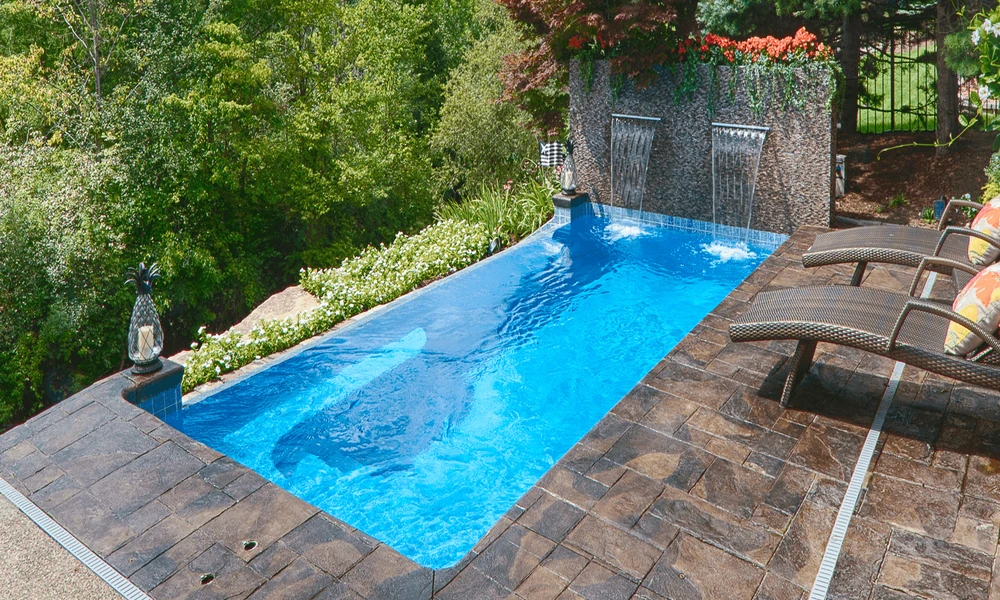
Central Florida backyards look flat and simple from the patio. Under the grass, the story is different. Most lots sit on fine sand, and some hide pockets of dark organic muck. During the summer rainy season, the water table can rise to within a few feet of the surface. None of this shows up on a glossy pool brochure, yet all of it decides how a fiberglass pool behaves over the next twenty years.
Homeowners comparing builders around Orlando and Winter Park, from small pool crews to general contractors like Spectrum Builds that manage permits and construction under one roof, usually hear the same promise about speed. A fiberglass shell can go in the ground in days rather than the weeks a poured concrete pool takes. That speed is real. It only pays off, though, when the dig, the base and the backfill are matched to the soil the house actually sits on.
Fiberglass has earned its popularity here for practical reasons. The gelcoat surface is smooth and nonporous, so algae has a harder time taking hold in the heat and humidity. The pool never needs replastering, a job concrete owners face every decade or so. It also works well with saltwater systems, which many Florida owners prefer. The shell comes out of a factory already finished, and that is exactly why the ground around it deserves so much attention.
The Shell Is Finished but the Ground Is Not
A fiberglass pool is a single molded piece. It cannot be adjusted once it is set, so the hole has to be right the first time. Crews dig slightly larger than the shell and build a base, often of crushed stone or clean sand, that must be level within a small fraction of an inch.
Florida sand creates a particular challenge here. It drains fast and compacts unevenly if it is not worked in thin layers. Any organic material in the dig has to come out completely, because buried roots and muck break down over time and leave voids. A shell resting on a void can settle unevenly, which shows up later as a waterline that sits higher on one end than the other.
Groundwater Pushes Back
The force most homeowners never think about is water pressure from below. When the ground is saturated, groundwater presses upward on the floor of the pool. A full pool holds its ground easily because the weight of the water inside balances that pressure.
An empty fiberglass shell is a different matter. It is light and buoyant, and in a high water table it can lift out of the ground like a boat. This is why installers often run dewatering pumps while they dig during wet months. It is also why most fiberglass pools in Florida include a hydrostatic relief valve near the main drain, which lets groundwater in before the pressure becomes dangerous.
The lesson for owners is simple. A fiberglass pool here should almost never be drained completely, especially between June and October. If a repair truly requires it, that job belongs to a professional who can check groundwater levels first.
Limestone Below the Sand
Deeper still, much of Central Florida rests on limestone that slowly dissolves as groundwater moves through it. Over long periods this creates cavities that can collapse into sinkholes. The U.S. Geological Survey explains how sinkholes form and why regions with soluble rock see them more often.
A pool is not uniquely vulnerable, but it is a heavy load placed on a small footprint. On lots with a known history of settling, a soil test before construction is money well spent. Before the excavator arrives, a few questions are worth asking:
- Has the property or the neighborhood had any reported settling, cracked slabs or depressions in the yard?
- Will the crew remove organic soil completely, and how will they confirm the base is compacted?
- What base material is planned, and how will the shell be leveled and checked?
- Is a hydrostatic relief valve included, and where will it be located?
- How will groundwater be handled if the dig happens during the rainy season?
Clear answers to these questions usually reveal more about a crew’s experience than any sales pitch.
Backfill Happens With Water Rising
One step separates careful fiberglass installs from rushed ones. As the crew backfills around the shell, they fill the pool with water at the same pace. Water inside and soil outside rise together, so the walls stay balanced and never bow inward or outward.
Before any plumbing lines get buried, they should be pressure tested. A small leak in a buried line is easy to fix on day two and expensive to find in year three. Many installers also prefer gravel backfill in wet areas because it drains well and stays stable when the ground is soaked.
Heat, Sun and the Deck Around It
Florida sun is hard on every outdoor surface. Quality gelcoats include UV inhibitors, but color still matters. Darker finishes warm the water noticeably, which some owners love in January and regret in August. Lighter finishes stay cooler and show debris more clearly.
The deck is where many problems actually start. Concrete expands in the heat, so an expansion joint between the coping and the deck keeps that movement from pushing against the shell. Pavers set on a compacted sand base handle movement well and are easier to repair. Screen enclosures, so common across Central Florida, should be planned with the deck because their footings and wind ratings matter during hurricane season.
Safety Belongs in the First Drawing
Florida’s Residential Swimming Pool Safety Act requires new residential pools to include at least one approved safety feature, such as a barrier around the pool, an approved safety cover or alarms on doors leading to the pool area. Local building departments check this during inspection.
Meeting the minimum is a start, but layering protection works better. The Consumer Product Safety Commission’s Pool Safely barrier checklist recommends a fence at least four feet high around the full perimeter, gates that close and latch on their own, and door or pool alarms where the house forms one side of the barrier. Planning these features into the original layout costs far less than adding them after the deck is poured.
The Ground Decides the Lifespan
A fiberglass shell can outlast the mortgage on the house around it. Whether it does depends far less on the shell itself than on the sand, water and stone beneath it. Owners who ask about soil, groundwater and backfill before signing tend to end up with pools that stay level, hold their water and need very little attention.
Timing helps as well. Digging during the drier months, roughly November through May, usually means less pumping and a more predictable schedule. A pool that goes in during the cooler season is also ready when the first truly hot weekend arrives, and that is when the careful work underground starts paying for itself.

