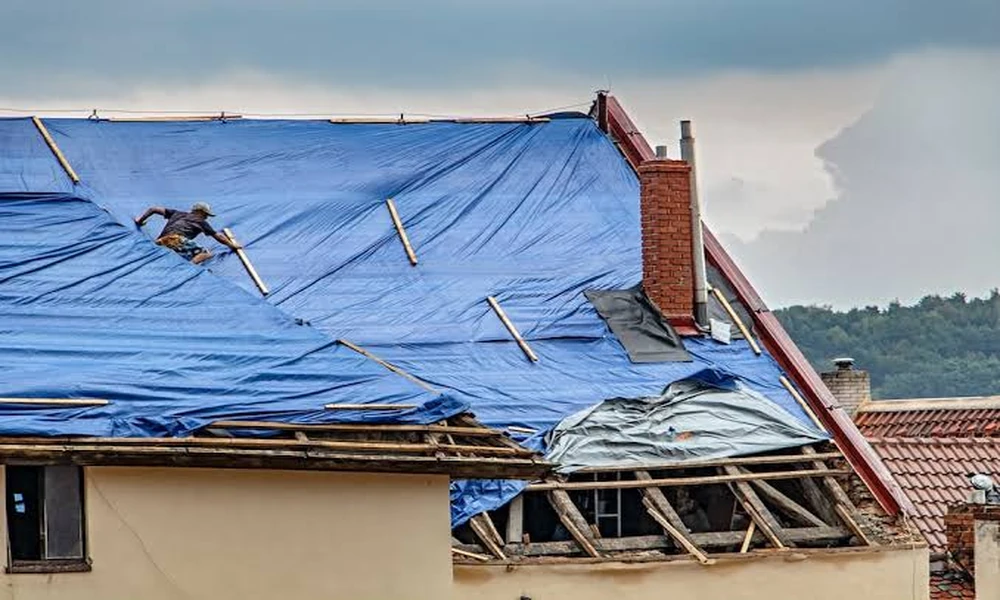
A storm repair in the South Carolina Midlands has two halves. One is loud and visible: a crew on the roof, a tarp going up, a dumpster in the driveway. The other is slow and mostly invisible, made of photos, measurements, adjuster visits, permit forms, material orders and inspections. Homeowners often watch a tarp go on and then wonder why nothing happens for a week or three. That gap is rarely idle. It is where the decisions get made that determine whether the finished roof is built to code, paid for correctly and actually fixes the damage.
Across Chapin, Irmo, Lexington, Columbia, Northeast Columbia and Sumter, Woods Roofing and Remodeling covers that whole stretch with one local team. Founder Daniel Woods brings 15 years in the trade to every job, from same-day or next-morning tarping after tree, hail or storm damage to roof repairs, inspections, skylight work, full replacements, siding, gutters, fascia and soffit. The team also helps homeowners through the insurance claim so the repair plan stays focused on what the house truly needs. Book a free inspection and get a clear picture of the damage before any money changes hands.
The First Twenty Four Hours
Triage call: A short phone conversation that sorts emergencies from problems that can wait. Is water coming inside? Is a limb still resting on the house? Are power lines involved?
Dry-in: The temporary seal that keeps rain out until permanent work begins. A proper emergency tarp is heavy poly sheeting that runs well past the damaged area, wraps over the ridge where possible and is held down with wood battens screwed through to the deck. Sandbags and a few nails will not survive a Midlands afternoon thunderstorm.
Mitigation record: Photos and receipts that prove the owner acted quickly. Most homeowners policies expect reasonable steps to prevent further damage, and the South Carolina Department of Insurance disaster assistance guide explains how proof of loss forms work and what happens if you and the insurer disagree on the amount.
The Paper Trail Nobody Sees
Photo log: A dated set of images covering every slope, the attic, interior ceilings and the gutters. Hail bruising on shingles fades from view after a few weeks of sun, so early photos often carry the claim.
Scope sheet: The line by line inventory of the roof. It counts squares of shingles, ridge cap, starter strip, drip edge, underlayment, pipe boots, vents and flashing. A missing line here usually becomes an unpaid item later.
Adjuster meeting: The visit where the insurer’s representative inspects the damage. Some carriers now lean on aerial imagery and desk reviews for smaller claims, which makes a contractor’s close up photos more valuable than they used to be.
Supplement: A follow up request for items nobody could see before tear off, such as soft decking around an old leak or rotted fascia behind a gutter. Supplements are normal, not padding.
Trees Come Before Shingles
Loblolly pines and water oaks shade a large share of Midlands neighborhoods, especially around Lake Murray, and they account for much of the region’s roof damage. Hurricane Helene’s winds in late September 2024 left trees down across the area and reminded many owners how close their canopy sits to the eaves. A roofer cannot finish a lasting repair while a cracked limb still hangs over the same slope. The University of Florida’s guide to assessing storm damaged trees and deciding what to do offers a clear framework for sorting trees that need removal from those that can recover, and bringing in an arborist before reroofing often saves a second repair the next summer.
Codes, Permits and Licensing
Permit: Approval from the local building office, which in this area could be the Town of Chapin, Lexington County, Richland County or the City of Columbia depending on the address. Tear off reroofs commonly require one, while small patch repairs often do not.
Code minimums: The baseline the finished roof must meet under South Carolina’s adopted residential code, which follows the International Residential Code. Practical examples include drip edge at eaves and rakes, approved underlayment, correct fastener counts for the wind exposure and balanced attic ventilation. Midlands summers push attic temperatures high enough that poor ventilation shortens shingle life noticeably.
License check: Confirmation that the contractor is registered for roofing work. South Carolina’s Residential Builders Commission explains the residential specialty contractor registration and its trade classifications.
The Workflow at a Glance
| Stage | Where it happens | Typical timing | What you should have afterward |
|---|---|---|---|
| Emergency dry-in | On the roof | Same day or next morning | Tarp photos and a receipt |
| Inspection and photo log | Roof, attic, interior | Within a few days | Dated photo set and damage notes |
| Claim and adjuster visit | On site or by desk review | One to three weeks | Insurer estimate and claim number |
| Permit and material order | Building office and supplier | Several days | Permit card and delivery date |
| Tear off and install | On the roof | One to three days for most homes | Daily cleanup and deck notes |
| Final inspection and closeout | Roof and office | Within a week of finish | Passed inspection, warranty papers, final invoice |
Build Days and Closeout
Deck check: The moment after old shingles come off when every sheet of decking gets walked and probed. Soft spots are replaced, photographed and added to the supplement.
Edge work: Repairs to fascia, soffit and gutters done while the roof edge is already open. It is also the right time to close soffit gaps that let wasps and squirrels into the attic.
Weather window: The daily rhythm crews follow in summer. Afternoon storms build quickly over the Midlands, so work usually starts early and each opened section is dried in before the crew leaves.
Closeout packet: Everything you keep once the roof is done. That means the passed inspection, warranty papers, before and after photos and the final invoice. On replacement cost policies, that final invoice is often what releases the depreciation the insurer held back at first payment.
A storm repair feels finished when the tarp comes off, yet the paperwork and inspections are what decide whether the new roof lasts. Knowing what each stage produces makes it easier to ask good questions, keep your own records and spot a step that got skipped while there is still time to fix it.